What Makes the Best Hopper Feeder for Cardinals
If you are looking for the best hopper feeder for cardinals, you need to understand how these birds are built. Cardinals are heavy, thick-necked songbirds. They cannot cling upside down like woodpeckers, and they do not comfortably twist their bodies sideways to pull seed from small tube ports like finches do. They need to land flat, face straight forward, and eat what is directly in front of them.
When customers asked me how to bring more of these bright red birds to their yard, my first step was always looking at their current setup. If they were using a standard narrow tube, I knew exactly why they were failing. When you compare the different bird feeder types available, a hopper design is structurally the most natural fit for a cardinal. The wide base acts like a stable feeding shelf, and the classic house-shaped roof keeps the food dry.
You also have to consider their beak anatomy. Cardinals have thick, cone-shaped beaks built to crush hard shells. Because they prefer larger meals like black oil sunflower and safflower seeds, the dispensing gaps at the bottom of the hopper must be wide enough to let those specific seeds flow freely. If the ports are too narrow, the larger seeds jam, and the birds simply leave.
Picking a cute, compact feeder where the feeding ledge is barely half an inch deep, forcing heavy birds to balance awkwardly while trying to pry seeds out of narrow, easily clogged ports.
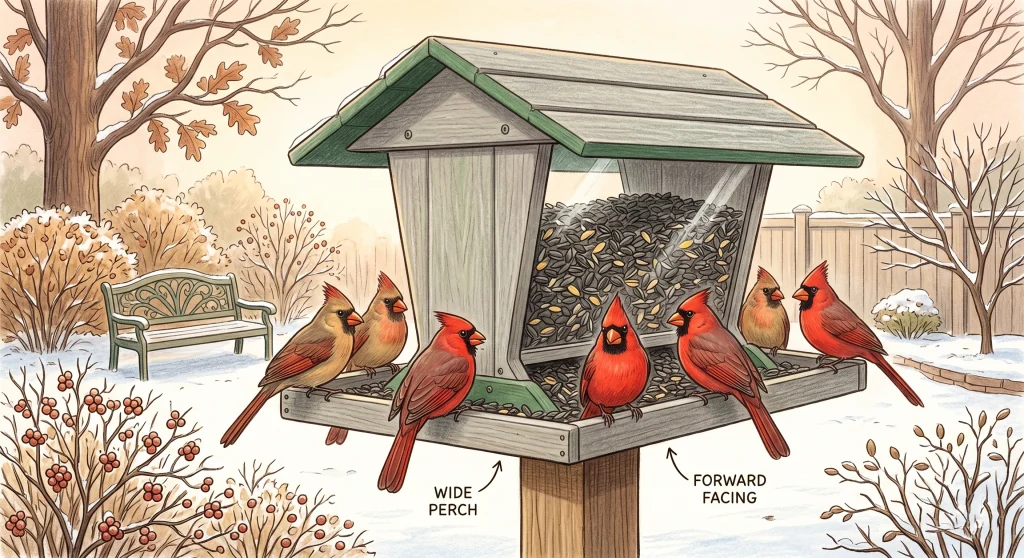
Looking for a hopper that offers a base tray extending at least two to three inches outward, paired with wide dispensing gaps that easily clear large safflower seeds.
The Winter Flock Capacity Problem
This is the biggest oversight I see in almost every buying guide. People buy a high-quality, beautifully designed cardinal bird feeder hopper, hang it up, and then wonder why it looks like a battleground in January. The problem is not the design. The problem is the headcount.
A well-known review from techgearlab.com tested a popular weight-sensitive hopper and noted it was fantastic for cardinals, but only about three birds could fit at one time. That sounds completely fine if you are only thinking about summer feeding. Think of it as a seasonal capacity calendar. From April through August, a male cardinal is fiercely territorial and will chase away rivals. You will usually only see a single pair at your feeder.
September and October are transition months. But from November through March, cardinals switch into full winter flock mode to survive cold nights. I have regularly watched groups of eight to twelve cardinals descend on a yard at dusk during a snowstorm. If your feeder only has room for three birds, the rest of the flock will either fight aggressively for space or simply leave for a more accommodating yard down the street.
Field Note: I had a customer who was thrilled to finally get cardinals using a small, high-end metal hopper. But by December, she was complaining that they were constantly fighting and knocking each other off the perches. We swapped her setup for a massive cedar hopper with a wide, four-sided wrap-around tray. The fighting stopped overnight, and she regularly had six cardinals feeding peacefully at the same time.

The Solution4Patio Cedar Bird Feeder provides a covered outdoor feeding area made from weather-resistant cedar wood. Its 3.2-pound seed capacity reduces frequent refilling, while clear panels make the remaining seed easy to monitor. A powder-coated mesh tray promotes drainage and helps keep seed from sitting in accumulated moisture.
Check on AmazonIf you click this link and buy, we earn a commission at no additional cost to you.
Material Choices for Heavy Feeders
Hopper feeders hold a massive amount of seed. A large one can easily hold eight to ten pounds of food at a time. When you combine the weight of the feeder, a heavy load of seed, and a half-dozen large birds, the construction material needs to be incredibly sturdy.
Wood feeders look beautiful and offer excellent, grippy surfaces for bird feet. Cedar and redwood are naturally rot-resistant, but in very wet climates, even the best wood will eventually decay if it never fully dries out between rainstorms. Metal feeders are rugged and typically offer the best defense against squirrel damage. Many high-end metal hoppers feature adjustable weight-sensitive perches, allowing you to exclude heavier nuisance birds like grackles while letting the lighter cardinals eat in peace.
Recycled plastic has become a phenomenal middle ground in recent years. It will never rot, crack, or fade under heavy UV exposure, and it cleans up beautifully with just a quick scrub. While a standard hopper bird feeder made of wood might last three to five years, a recycled plastic model is often a lifetime purchase.
| Material Type | Who Should Buy This | Maintenance Lifespan |
|---|---|---|
| Natural Cedar/Wood | Best for a traditional aesthetic, requires dry-out periods | 3 to 5 years |
| Powder-Coated Metal | Best for yards with heavy squirrel or bully bird problems | 5 to 10 years (watch for rust) |
| Recycled Plastic | Best for wet climates and minimal maintenance | 10+ years |
Which Hopper Should You Actually Buy?
Knowing the features is helpful, but matching the feeder to your specific yard is how you make a smart purchase. Here is the framework I always used to help customers decide.
- For small yards or single pairs: If you live in an area where you only ever see one or two cardinals at a time, a compact recycled plastic hopper is perfect. It saves space, keeps the seed fresh, and lasts forever.
- For pest-heavy yards: If squirrels empty your feeders daily, or if flocks of grackles bully your songbirds, you must invest in a powder-coated metal hopper with an adjustable weight-sensitive perch. Set the spring tension to support a cardinal but collapse under a squirrel.
- For large winter flocks: If you want to host six or more cardinals at once during a snowstorm, buy the absolute largest cedar or plastic wrap-around hopper you can afford. Look for a design that allows birds to feed from all four sides simultaneously.
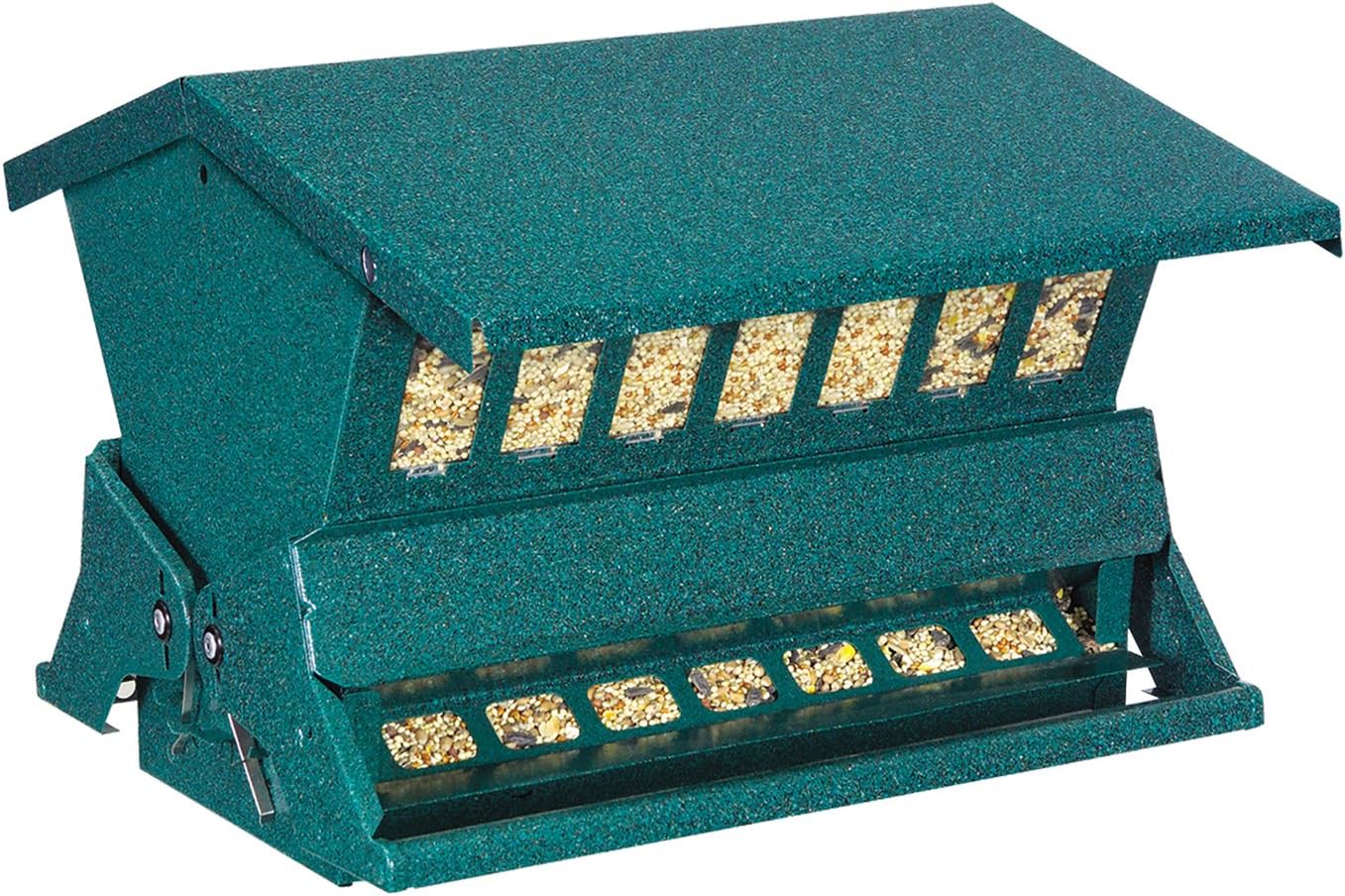
A large-capacity, all-metal squirrel-proof feeder holding up to 12 lbs of seed. Features spring-activated perches adjustable to three weight settings - when a squirrel or unwanted bird steps on, a metal shield instantly blocks seed access. A locking top prevents squirrels from entering from above. Built from chew-resistant powder-coated steel with a no-waste seed saver baffle and a seed level indicator window. The overhanging roof keeps seed dry in all weather. Can be hung or pole-mounted - all hardware included.
Check on AmazonIf you click this link and buy, we earn a commission at no additional cost to you.
Why the Roof Overhang Matters
Beyond the perch width and the material, the feeder you choose needs a generous roof. This is not just about keeping the birds dry while they eat. It is entirely about protecting the seed in the bottom trough.
Cardinals are ground foragers by nature. They like to hop through loose material, pick up a seed, crack it, and drop the hull. If rainwater blows into the feeding tray, the seed dust and hulls turn into a cement-like paste. Cardinals are not equipped to dig through compacted, wet, moldy mess. They will take one look at a clogged tray and fly away.
Look for a hopper where the roof extends significantly past the edge of the feeding tray. This design choice creates a dry canopy. It keeps the food loose, dry, and easily accessible even during a steady drizzle. If you find a feeder with a wide tray but a narrow, stubby roof, you will spend most of your time scraping out ruined seed.
Stability is Non-Negotiable
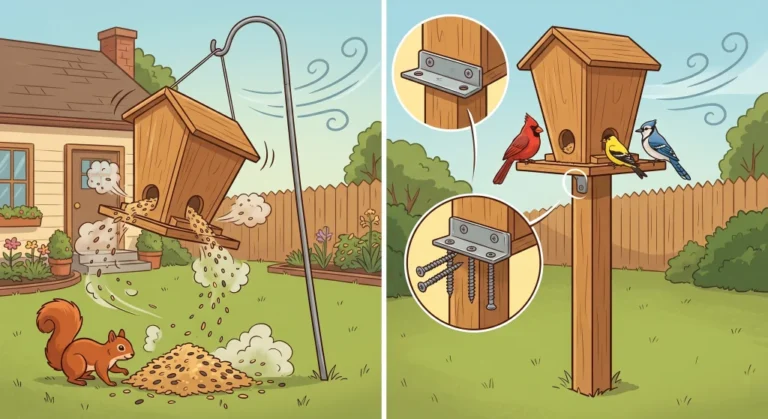
All of these design features will not matter if the installation is wrong. Because these feeders are heavy and catch a lot of wind, they act like sails during a storm. Cardinals absolutely despise unstable, swinging feeding surfaces. If the feeder is twisting wildly on a thin metal hook every time they try to land, they will abandon it.
- Post mounting is best: Securing a large hopper to a solid four-by-four wooden post using a metal mounting flange eliminates swinging entirely.
- Use heavy-duty chains: If you must hang the feeder from a tree, use a thick chain rather than a thin wire, and keep the hanging distance as short as possible to reduce sway.
- Avoid thin shepherd’s hooks: A ten-pound feeder will cause a standard garden hook to lean permanently, making the seed spill out unevenly.

Wagner's Four Season Sunflower Seed is 100% black oil sunflower seed. Sunflower seed is the favorite seed of most wild birds. It is high in energy and has a thin shell making it easy for all birds to consume. Use tray feeders or hopper feeders to attract sunflower loving songbirds. Cardinals, Chickadees, Finches, Nuthatches, Woodpeckers and much more. Trust your backyard birds to the experts at Wagner’s.
Check on AmazonIf you click this link and buy, we earn a commission at no additional cost to you.
Final Thoughts: Upgrade Your Setup
Do not wait until there are six cardinals fighting in your yard in the middle of winter to realize your current feeder is too small. If you are ready to upgrade your setup and bring more red to your backyard, start by checking the specs on the models you are considering right now.
Measure the perch depth to ensure it is at least two inches wide. Make sure the seed ports are large enough to dispense safflower without jamming. Choose a material that fits your local climate, and secure it firmly to a post or thick chain. Getting those specific hardware choices right is the fastest way to turn a passing cardinal into a daily visitor.
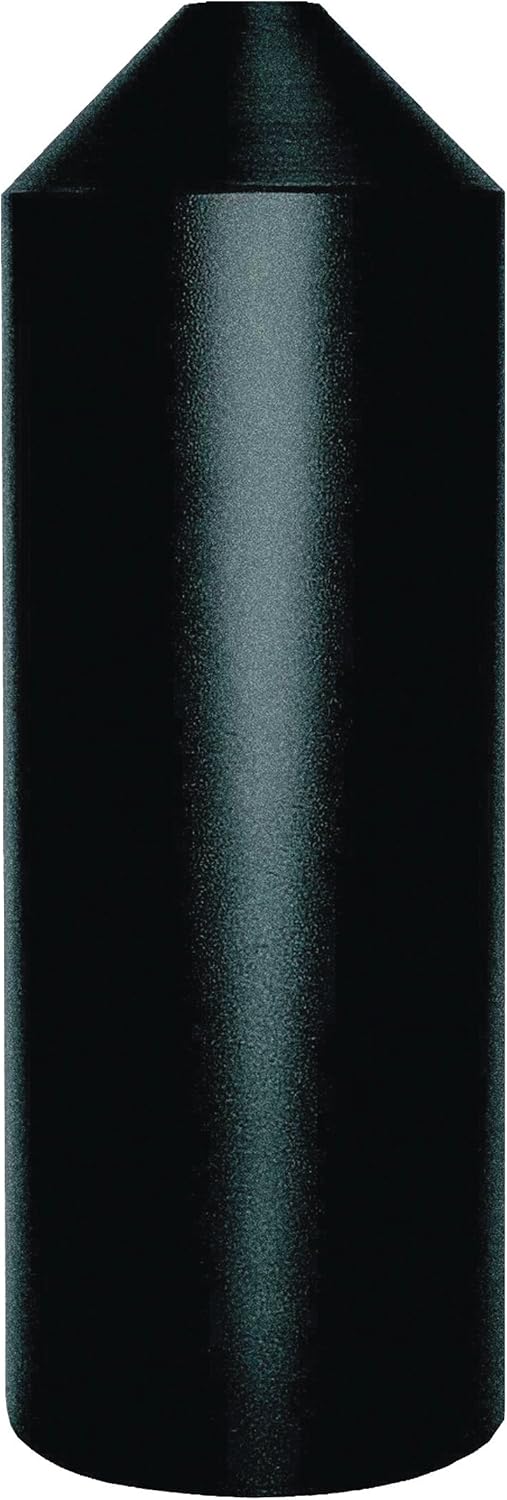
A torpedo-shaped steel squirrel baffle with a textured powder-coated finish. Measures 6.125 inches in diameter and slides onto any pole ranging from 1/2 to 1-3/8 inches in diameter via an included coupler. Easy to install - simply remove the zip tie and secure the coupler around the pole. Pole not included.
Check on AmazonIf you click this link and buy, we earn a commission at no additional cost to you.
FAQs
🪵 Do cardinals prefer wood or metal feeders?
They do not have a strong preference for the material itself, but they do prefer the natural grip that rough wood provides. If you buy a metal feeder, ensure the perches are textured or thick enough for them to grip securely.
📏 How high should I mount my hopper feeder for cardinals?
Mounting the feeder between five and six feet off the ground is ideal. This is high enough to deter some ground predators, but keeps the feeder easily within reach for refilling, while mimicking the shrub height where cardinals naturally forage.
🐿️ Will a hopper feeder keep squirrels away?
A standard wood or plastic hopper will not stop a squirrel. If squirrels are an issue, you either need a metal hopper with a weight-sensitive closing mechanism, or you must install a dedicated torpedo baffle on the pole below the feeder.
🌻 What is the best seed to put in a hopper feeder?
Black oil sunflower seeds are the gold standard for hopper feeders and are a favorite of cardinals. Safflower is also an excellent choice, as cardinals love it, but squirrels and grackles usually leave it alone.