
How to Attract Hummingbirds Without a Feeder
People ask me how to attract hummingbirds without a feeder quite often, especially after dealing with spoiled nectar, moldy ports, or insects around sugar water. Native flowers are a legitimate alternative, not a second-best substitute. The National Park Service and Audubon both recommend native, tubular flowers as a way to provide natural nectar for hummingbirds.
A feeder provides a concentrated sugar source, while a planted yard can offer nectar across many flowers plus insects and habitat structure. Neither source is automatically more reliable than the other. A feeder can be maintained consistently, and a garden can have gaps between bloom periods, which is why plant selection and bloom timing matter.
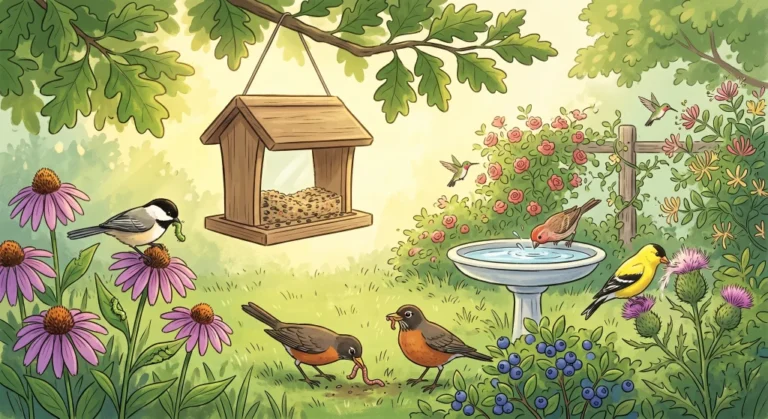
Shifting toward native plants also supports more than nectar feeding. Flowering plants can attract insects, create perching structure, and connect the hummingbird garden with the broader habitat in your yard. That gives you more ways to make the property useful than simply adding another sugar source.
Why Plants Work Differently From Feeders
Hummingbirds can remember productive feeding locations and revisit breeding and feeding sites from year to year. National Park Service banding information supports that broader site fidelity. What I would not claim is that a returning bird necessarily remembers the exact coordinates of one individual flower from the previous season.
Native perennials can make the yard more predictable because established plants return and flower seasonally, but bloom dates still shift with weather, region, and plant condition. The practical advantage is continuity over many seasons without having to refill a nectar reservoir. If you want to master how to attract birds, consistent habitat is valuable, but no single plant or feeder should be treated as the only factor that matters.
Field Note: One thing I learned not to underestimate is how quickly hummingbirds check familiar feeding areas. A returning bird hovering around a trellis or flower bed may be investigating a place that was productive before, but I would treat that as an observation rather than proof that it remembers one exact plant from a previous year.
Feeders and flowers both change over time. Feeders come down for cleaning, while flowers open, fade, go dormant, or fail in bad weather. A plant-based yard works best when several species overlap in bloom so one short flowering period does not determine whether nectar is available.
Why Patches Work Better Than Isolated Blooms
Plant arrangement matters because a larger patch is easier to notice and offers more flowers in one feeding area. Audubon recommends planting patches of the same species, generally three or more plants, to provide a larger nectar resource. A single flowering plant can still be useful, especially in a small yard or container garden, but it provides less total nectar.
Some hummingbirds defend productive feeding areas, including flower patches and feeders, but territorial behavior varies by species, season, sex, and local food abundance. I would not assume one Bee Balm plant is worthless or that a large patch will automatically become a defended territory. The simpler reason to plant in groups is that more blooms create a larger, easier-to-find nectar resource.
Relying on a few isolated plants that all bloom briefly at the same time and expecting them to provide season-long nectar.
Planting several compatible native plants in patches and choosing species with different bloom periods so nectar is available across more of the season.
A patch of tubular blooms creates a larger visual and feeding target than one isolated flower. Red, orange, and pink tubular flowers are especially noticeable to hummingbirds, but other colors can also be used. A hummingbird may defend a productive patch, share it, or move among several resources, so territorial behavior should not be treated as the measure of whether the planting works.
The Top Native Plants for Hummingbirds
Once you understand the layout, choose plants that fit both hummingbirds and your local growing conditions. Hummingbirds commonly use tubular or bell-shaped flowers that provide accessible nectar, and red flowers are especially attractive, with orange and pink also useful. Tubular flowers can reduce access for some pollinators, but they do not universally exclude bees or other insects.
The plants below are useful examples, not a nationwide shopping list. Native status, bloom time, moisture needs, and winter hardiness vary by species and location, so check a local native-plant database or extension source before buying.
| Plant Name | Type | Best Feature | Native Region |
|---|---|---|---|
| Trumpet Honeysuckle (Lonicera sempervirens) | Vine | Spring bloom with additional flushes possible later in the season. | Native across much of the eastern and central US; verify locally |
| Bleeding Heart (Dicentra eximia) | Perennial | Useful in part shade and can provide spring nectar in its native range. | Eastern US; verify local native range |
| Native Bee Balm / Bergamot (Monarda species) | Perennial | Several native species provide tubular blooms and can form substantial patches. | Varies by Monarda species; choose one native to your region |
| Cardinal Flower (Lobelia cardinalis) | Perennial | Moisture-loving red flowers are highly attractive to hummingbirds. | Widespread across much of the US; confirm local native range |
| Salvia (native varieties) | Annual/Perennial | Many native sages produce repeated spikes of tubular flowers. | Varies widely by species; select locally native Salvia |
| Coral Bells (Heuchera) | Perennial | Bell-shaped flowers can provide nectar in part-shade plantings. | Varies by Heuchera species; choose a local native |
Trumpet Honeysuckle is a strong option in the parts of the US where it is native. Audubon highlights its red tubular flowers and long blooming pattern, with a major spring flush and smaller flushes later. It needs a trellis or fence for support. I would choose it for its nectar and native habitat value, not because hummingbirds supposedly require flowers above a particular height.
Native Bee Balm and Cardinal Flower can also be excellent choices where site conditions fit them. Some Monarda species spread readily, which can be useful in a larger naturalized bed but troublesome in a small border. Give the plant enough room for its mature habit rather than assuming uncontrolled spread is always desirable.

Mint-scented perennial grows up to 36 inches tall with vibrant red blooms that attract hummingbirds, bees, and butterflies. Deer resistant and thrives in USDA Zones 4 to 9, full sun to partial shade. Germinates in 14 to 21 days. Edible leaves and flowers great for teas and cooking. Perfect for cut flower arrangements too.
Check on AmazonIf you click this link and buy, we earn a commission at no additional cost to you.
Planning for Continuous Blooms
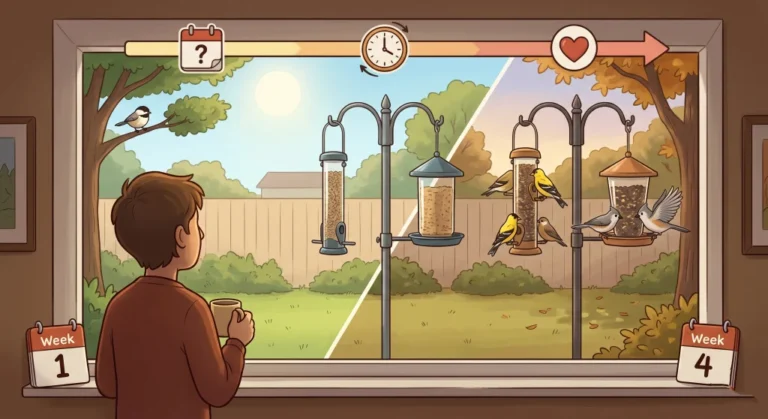
A garden can provide abundant nectar for a few weeks and then go quiet if most plants bloom at once. Audubon and National Park Service guidance both recommend choosing plants that flower at different times. Bloom succession extends the period when the yard offers natural nectar, although it cannot guarantee continuous hummingbird visits.
The exact sequence depends on your region. In one eastern garden, spring-blooming Columbine or Trumpet Honeysuckle might be followed by Bee Balm and later Cardinal Flower, while western gardens need a different native palette. Build the sequence from locally appropriate plants rather than assuming the same species will cover spring through fall everywhere in the US.
Overlapping bloom periods can reduce nectar gaps, but weather and plant performance will still create fluctuations. Think in terms of extending the feeding season, not promising uninterrupted flowers or hummingbird activity every day.
The Hidden Benefit: Protein from Insects
A planted garden also supports a part of hummingbird ecology that sugar water cannot replace. Hummingbirds eat small insects and spiders as well as nectar, and young birds depend heavily on animal prey for protein. Native vegetation can support more of that food web than a feeder alone.
Sugar water provides carbohydrate energy but no meaningful protein. A diverse planting can host small insects and spiders that hummingbirds may catch in the air or glean from vegetation. That does not mean every visit to a Salvia or Bee Balm patch includes insect hunting, but the habitat supports more feeding opportunities than nectar alone.
Key point: Avoid routine broad-spectrum pesticide use in a hummingbird garden. National Park Service guidance specifically promotes pesticide-free native plants for hummingbirds and other pollinators. If a serious plant problem requires treatment, choose the least harmful targeted option and follow the label rather than treating every insect in the bed as a pest.
Plants can provide natural nectar and help support insect prey, but no backyard bed should be described as a complete, nutritionally balanced hummingbird diet. Wild hummingbirds use many feeding sites across the landscape and continue to forage beyond your property.

Native fast-growing climbing vine with vibrant tubular blooms from spring to fall that attract hummingbirds and pollinators. Low-maintenance in various soil types, perfect for trellises, arbors, and fences. Quickly covers unsightly structures with lush green growth and fragrant flowers.
Check on AmazonIf you click this link and buy, we earn a commission at no additional cost to you.
Combining Plants and Feeders for Maximum Results
You do not need a feeder to create useful hummingbird habitat, but plants and a feeder can complement each other. Gardens naturally have bloom gaps, and heat, drought, storms, or pruning can temporarily reduce flowers.
If you want to expand on how to attract hummingbirds, use native plants as the habitat foundation and add a feeder only if you are willing to keep the nectar fresh and the feeder clean. The combination gives birds more options, but it still will not create perfectly consistent daily visits.
If you supplement the garden, choose a feeder that comes apart easily enough for thorough cleaning. Saucer-style feeders are one practical option because the reservoir and ports are usually accessible. Place the feeder where you can maintain it easily and where birds have nearby perches, without assuming they will spend a fixed proportion of their time at flowers versus the feeder.

Dish-style feeder with 5 feeding ports and 360-degree perch lets multiple hummingbirds feed at once. Built-in ant moat and 2mm bee-proof ports keep nectar clean. Clear reservoir with measurement markings for easy monitoring and one-step refill. Fully disassembles for quick cleaning, dishwasher safe up to 176F.
Check on AmazonIf you click this link and buy, we earn a commission at no additional cost to you.
Building a Reliable Hummingbird Garden
Attracting hummingbirds with plants takes more planning than hanging a feeder, but it also adds habitat that continues to benefit insects and other wildlife. Once established, native perennials can reduce the amount of day-to-day feeding maintenance while still requiring normal gardening care.
Focus on locally native tubular flowers, plant several of the same or compatible species together, and overlap bloom times from spring through fall where your climate allows. Keep the garden insect-friendly and avoid broad-spectrum pesticide use. Hummingbirds may revisit productive feeding sites from year to year, but the goal is useful habitat, not a promise that the same individual birds will return.
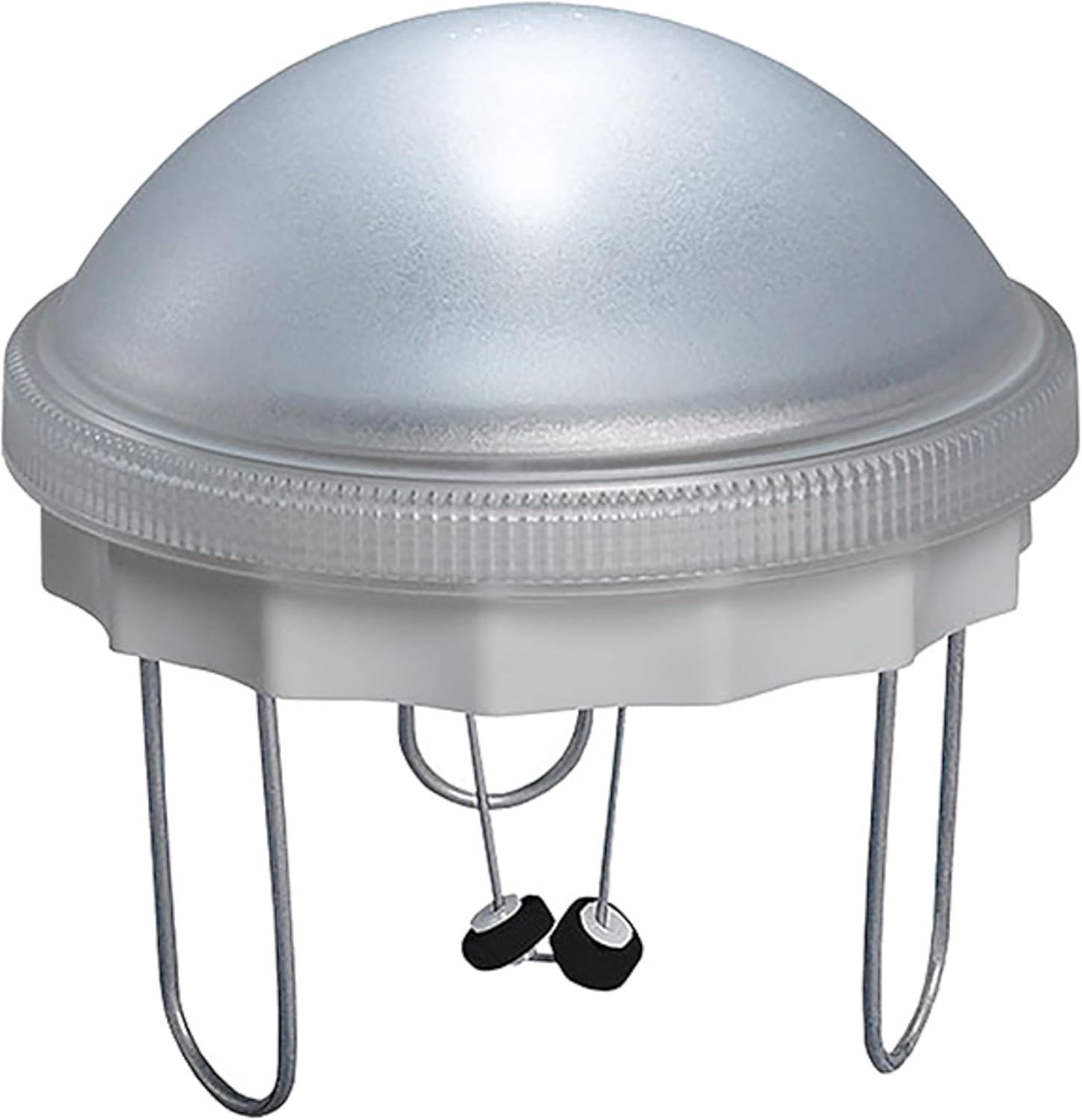
Creates gentle ripples that attract more birds to any bird bath. Circulates water silently to prevent stagnation and disease. No batteries or wiring needed, runs entirely on solar power. Fits most bird baths and works with heated baths in winter.
Check on AmazonIf you click this link and buy, we earn a commission at no additional cost to you.
FAQs
🪴 Can I attract hummingbirds with just potted plants?
Yes. A patio or balcony can support hummingbird-friendly containers. Choose compact native Salvia, Penstemon, Monarda, or other nectar plants suited to your region and light conditions. Even one container can help, while grouping several compatible pots can extend bloom time and increase the amount of nectar available.
🌿 Do hummingbirds like hanging baskets?
They can. A hanging basket can put nectar-rich flowers in a visible location and works well where ground space is limited. The value comes from the flowers themselves and their accessibility, not from a proven rule that hummingbirds feel safer simply because the basket is elevated.
💧 Do I still need water if I only have plants?
Water is another useful habitat feature, although hummingbirds often use it differently from larger backyard birds. A shallow source, mister, or dripping water feature can provide bathing opportunities if it is kept clean. Moving water may attract attention, but it is not a requirement for a successful hummingbird garden.
🐝 Will hummingbird plants attract too many bees?
Native hummingbird plants will often attract bees, butterflies, and other pollinators too, which is part of the value of the garden. Some long tubular flowers limit access for certain insects, but many bees can still use hummingbird flowers directly or reach nectar in other ways.
🥀 What happens when the flowers stop blooming?
When one plant finishes blooming, hummingbirds may move to other flowers, feeders, insect-rich areas, or other parts of their seasonal range. That is why overlapping bloom periods are more useful than relying on one species for the entire season.