Why the Platform Bird Feeder Attracts Everything
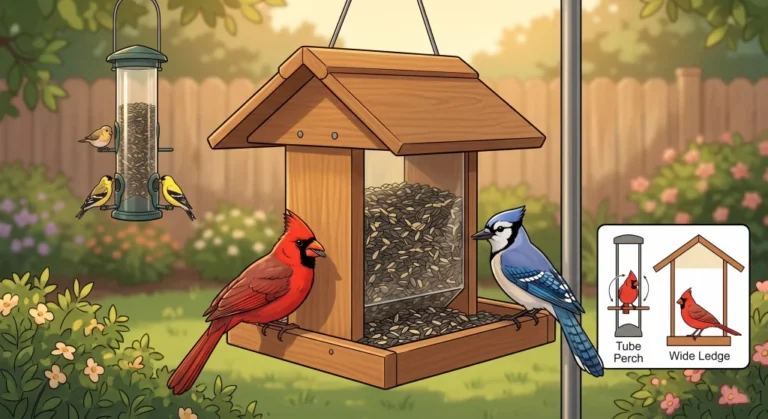
If you want to see the highest number of different species in your yard, a platform bird feeder is where you start. When comparing different bird feeder types, the platform stands out because it lacks restrictive architecture. There are no tiny ports to navigate, no wire cages to squeeze through, and no weight-sensitive perches that lock out larger birds. It is essentially an open buffet table.
At the store, I always guided beginners toward an open bird feeder if their main goal was observation. It provides plenty of landing space for large, clumsy fliers like Mourning Doves and Blue Jays, while giving smaller birds room to hop around naturally. You get an unobstructed view of the birds without plastic tubes or metal grids getting in the way.
The problem is that birds are not the only creatures that love an open buffet. A tray bird feeder creates the most problems if you set it up blindly. Because it is completely open, it requires a much more deliberate strategy than a fully enclosed hopper or tube. You have to actively manage who visits and what happens when the weather turns bad.
The Bully Bird Reality
The greatest strength of an open tray is also its biggest functional flaw. There is absolutely no built-in mechanism to deter bully birds. When you hang a standard tube, large aggressive birds struggle to cling to the small perches. On a flat platform, they can land comfortably and take over the entire feeding station.
The experts at allaboutbirds.org correctly warn that platform feeders regularly attract Pigeons, European Starlings, House Sparrows, and Grackles. These species feed in aggressive flocks. Once a flock of Grackles finds your open tray, they will overwhelm the space, empty the seed in hours, and aggressively chase away the Cardinals and Finches you actually wanted to see.
Warning: If bully birds are already a serious problem in your neighborhood, adding a platform feeder will make the situation worse. You cannot train Starlings to share an open space. In these cases, a caged feeder is a much better choice.
If you only have occasional visits from larger birds, you can manage the situation by limiting the amount of seed you put out. Pouring just enough food for a single day forces the birds to move on once the tray is empty, rather than allowing a flock of Starlings to set up a permanent camp in your yard.
Elevated vs Ground Placement
Most people assume a tray is just a tray, regardless of where you put it. In reality, the height of the tray determines exactly which species will visit. You are essentially choosing between two entirely different types of feeding behaviors.
A ground bird feeder setup mimics how certain birds naturally forage in the wild. Native Sparrows, Juncos, Towhees, and Doves prefer to eat directly on the earth. If you place a tray with short legs just an inch or two above the grass, you will draw these ground-feeding specialists immediately. They feel comfortable kicking around in the seed at soil level.
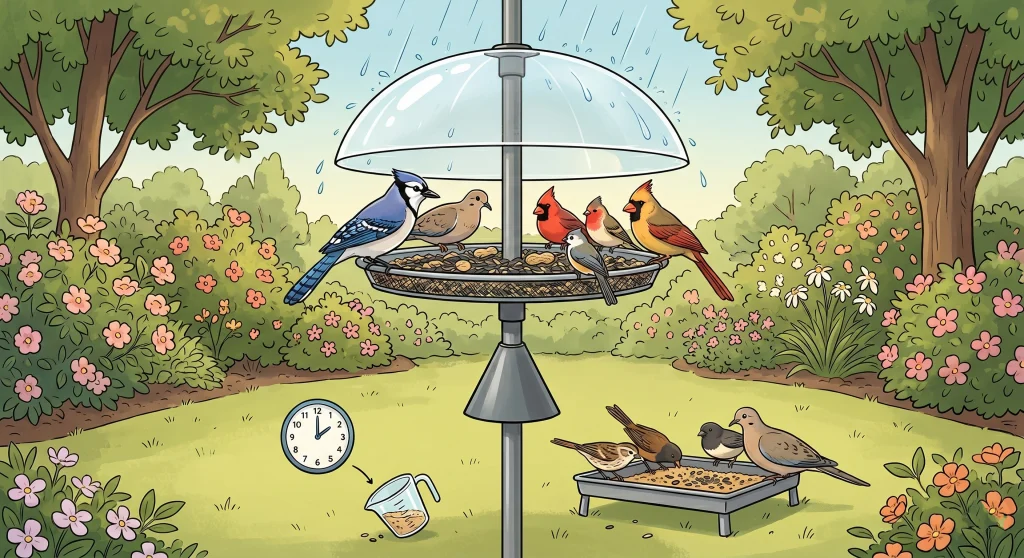
Conversely, hanging or pole-mounting the tray higher up appeals to birds that feel vulnerable on the ground. To find the best platform feeder for cardinals, Blue Jays, and Grosbeaks, you have to elevate the tray. These birds prefer to feed at shrub or lower canopy height so they can scan for predators while they eat.
Field Note: I watched a customer struggle for weeks to get Cardinals to use her ground tray. As soon as we moved that exact same tray to a pole five feet in the air, the Cardinals arrived the next morning. The food was the same, but the security level changed.
If you have the space, the best setup to attract platform feeder birds actually involves two trays. Place one on the ground for the Juncos and mount one on a pole for the Cardinals. This completely separates the feeding zones and reduces competition.

Handcrafted in the USA, the WoodLink 3-in-1 Platform Feeder (Hang, Pole Mount, or Ground) is one of the most popular platforms around. The versatile design of this natural cedar feeder attracts large and small wild birds and lets you choose how to set it up.
Check on AmazonIf you click this link and buy, we earn a commission at no additional cost to you.
Weather Protection and Mesh Bottoms
Because a tray is completely open to the sky, it is completely exposed to the rain. Wet seed is a death sentence for any feeding station. It clumps together, ferments rapidly, and grows toxic mold that can make birds severely ill.
You should never buy a platform with a solid wood or solid plastic bottom. A proper tray will always feature a stainless steel micro-mesh bottom. This allows rainwater to pass straight through while holding the seed securely in place. When cleaning day comes, you can take a stiff brush and scrub the mesh to remove stuck seed hulls and bird droppings.
However, a mesh bottom only handles drainage. In a heavy downpour, the seed still gets soaked and swells. If you live in a wet climate, you have to add a platform feeder weather guard above a hanging tray. A wide acrylic dome acts like an umbrella, keeping the center of the tray dry so you do not have to throw away expensive seed after every afternoon shower.

12-inch diameter universal dome. Protects any small or medium-sized feeder from rain and snow. Molded from uv stabilized polycarbonate, the strongest and most durable plastic available. Guaranteed for life.
Check on AmazonIf you click this link and buy, we earn a commission at no additional cost to you.
Managing Seed Scatter and Rodent Risks
One of the unexpected benefits of using a platform is how it handles seed waste. When birds use a standard tube, they often flick seeds they do not want onto the ground while searching for their favorite pieces. A popular Quora bird feeding thread correctly notes that platform feeders at deck or ground level actually reduce this scatter waste. When birds feed from a cramped tube port, they instinctively sweep their bills through the mix, tossing unwanted seeds overboard to reach the good stuff. On a wide open tray, they do not have to dig. They simply walk over to the exact seed they want. Because there is no digging and flicking, far less seed ends up rotting in the grass below.
Filling a ground tray to the brim on a Friday night so you do not have to refill it over the weekend.
Pouring only one cup of seed into the tray each morning, ensuring it is completely empty before sunset.
The catch is that a wide open tray full of food is an easy target for mammals. Squirrels will treat an unprotected hanging tray like a hammock. You must use a proper pole and a torpedo baffle to keep squirrels out of elevated trays. More concerning is the risk of nocturnal rodents at ground level. Rats and raccoons will memorize the location of a ground tray if food is left out overnight. Emptying the tray before dark is a mandatory habit for this type of feeding.
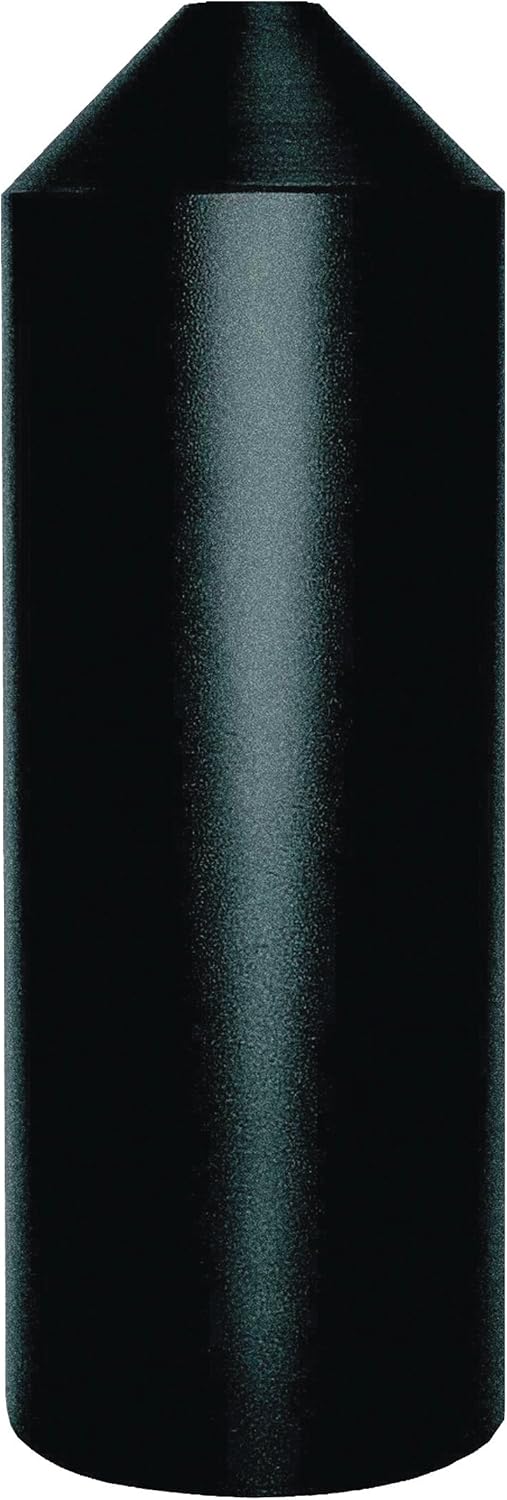
A torpedo-shaped steel squirrel baffle with a textured powder-coated finish. Measures 6.125 inches in diameter and slides onto any pole ranging from 1/2 to 1-3/8 inches in diameter via an included coupler. Easy to install - simply remove the zip tie and secure the coupler around the pole. Pole not included.
Check on AmazonIf you click this link and buy, we earn a commission at no additional cost to you.
Choosing the Right Seed for an Open Tray
You can put literally any type of bird seed on a platform, but that does not mean you should. Because the tray is exposed to wind, extremely lightweight seeds like nyjer can blow right out of the mesh. Standard cheap mixes filled with milo or cracked corn will just sit there, get wet, and eventually attract pests because most songbirds will ignore them.
Black oil sunflower seeds, striped sunflower, and whole peanuts are excellent choices. They are heavy enough to stay put in a breeze and highly desired by platform visitors like Blue Jays and Cardinals. If you want to keep your patio completely clean, use a no-mess blend of hulled sunflower hearts. There will be no shells left behind, making the mesh bottom much easier to clean.
Tailoring Your Platform Setup
If you are ready to set up an open tray, your specific yard situation will dictate which version works best. Elevated trays solve different problems than ground trays, and weather accessories are mandatory in rainy climates. Here are the specific guides to help you narrow down the perfect platform setup for the birds you want to attract.
| Platform Feeder Guide | What It Covers |
|---|---|
| Best Platform Feeder for Cardinals | Why flocking birds need specific tray dimensions to feed peacefully. |
| Ground Bird Feeder | How to feed Juncos and Doves safely without growing mold on the soil. |
| Platform Feeder Weather Guard | Sizing an acrylic dome to protect your open tray from heavy rain. |
Final Thoughts on Open Feeding
An open tray requires a bit more daily attention than an enclosed tube, but the payoff in bird variety is completely worth it. By making sure your tray has a mesh bottom for drainage, choosing the right height for the species you want, and managing how much seed you put out, you eliminate almost all the common headaches. Give the birds the space they need to land comfortably, and your platform will quickly become the busiest feeding station in the yard.

Shell-free sunflower hearts packed with essential fats, protein, vitamins, and carbohydrates for wild birds. 100% consumable with no shells, dust, or debris - pure value in every bag. Attracts finches, chickadees, titmice, nuthatches, cardinals, and more. Compatible with tube, hopper, window, and covered tray feeders. Available in a 40-pound bulk poly-woven bag. Made in the USA.
Check on AmazonIf you click this link and buy, we earn a commission at no additional cost to you.
FAQs
🦅 Will a platform feeder attract hawks?
Because birds are out in the open, they are more visible to avian predators. Always place your tray within ten feet of a bush or tree so small birds have a quick escape route if a hawk approaches.
🌧️ What should I do if it rains on my tray feeder?
If the seed gets thoroughly soaked, throw it away. Even with a mesh bottom, wet seed will ferment quickly and clog the screen. A weather dome can prevent this during light rain.
🐿️ How do I keep squirrels out of a platform feeder?
Because the tray is open, the only reliable defense is mounting it on a metal pole and installing a torpedo baffle below it. Hanging it from a tree branch guarantees squirrels will reach it.
🐦 Can small birds use a platform feeder?
Yes. Chickadees, Titmice, and Finches are perfectly happy hopping around a large tray. The open space makes it easy for them to grab a seed and fly off to a safe branch to open it.
🧼 How often should I clean an open tray?
You should scrub the mesh bottom with hot water and a stiff brush every one to two weeks. More frequent cleaning is necessary if the weather has been extremely wet or humid.