Why Tossing Seed on the Soil is a Mistake
A lot of well-meaning people think feeding birds is as simple as throwing a handful of mixed seed onto the grass. Most folks assume this is the ultimate low-maintenance option for their yard. It simply does not work that way in practice. Without the right equipment, morning dew and ground moisture immediately soak into the grain from the bottom up.
Before the end of the week, you end up with rotting seed, a patch of dead grass, and a nightly rodent problem that is incredibly hard to get rid of. Doing this safely requires a dedicated tray to create physical separation from the dirt, rather than just using a bare patch of lawn.
Why Certain Birds Ignore Your Elevated Feeders
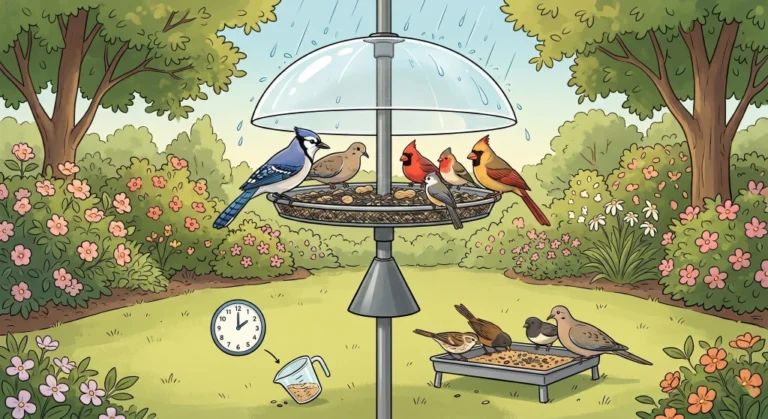
When you set up a new feeding station, it is easy to focus all your attention on the activity happening at eye level. While a standard elevated platform bird feeder is fantastic for cardinals and grosbeaks, it completely misses a huge portion of the backyard bird population. Species like Dark-eyed Juncos, Mourning Doves, and Eastern Towhees are built to forage on the forest floor. They feel exposed and uncomfortable trying to balance on a swinging hanging tray.
If you look at the different types of bird feeders available at your local store, very few are designed exclusively for these low-level foragers. These birds prefer to hop around, scratch at the surface, and take their time sorting through the offerings. Giving them a stable, dedicated spot at their preferred height completely changes the dynamic of your yard. You will often see a distinct shift where the larger perching birds stay up high, leaving the lower levels to the doves and sparrows in perfect harmony.
Accommodating Natural Flocking Behavior
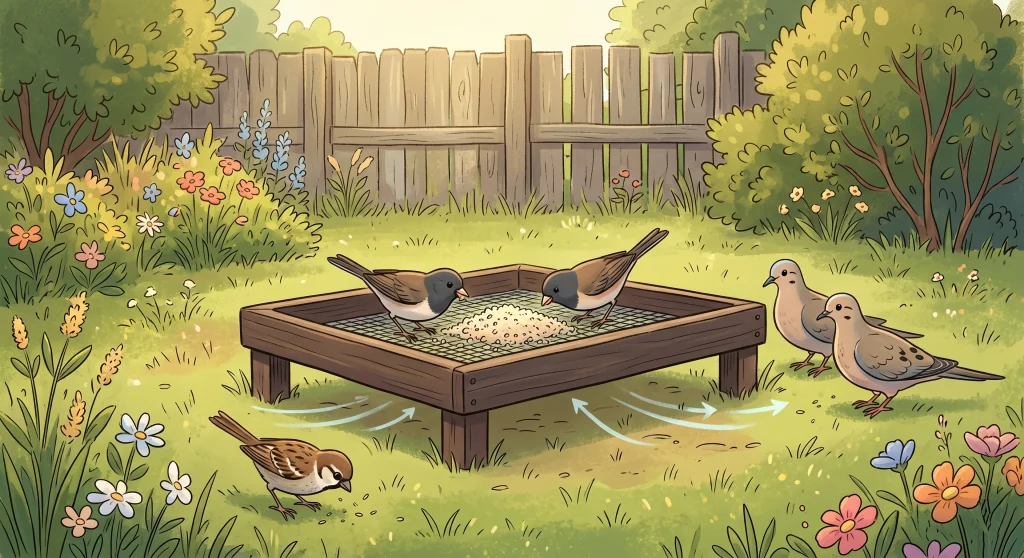
Ground-feeding birds rarely visit a yard alone. Juncos and doves typically travel in small flocks, meaning they need plenty of physical space to feed simultaneously without fighting. A hanging tube feeder only allows a few birds to eat at once, which causes intense competition and drives away the shyer members of the flock. A wide tray sitting low to the earth provides the square footage these groups need to spread out naturally.
I have watched this pattern repeat more times than I can count. A customer will complain that they only see one or two sparrows at a time, despite spending a fortune on premium seed. Once they introduce a wide, low-profile tray to the environment, the entire flock feels comfortable enough to land. If you want to see immediate results, fill that tray with white proso millet. While elevated feeders do best with sunflower, ground-foragers will clean up a pile of white millet before they touch anything else.

Premium-grade 100% white proso millet with no fillers, chemicals, or additives. Easy to eat and digest, making it ideal for small birds and ground-feeding species like finches, doves, buntings, and sparrows. Grown and packaged in the USA.
Check on AmazonIf you click this link and buy, we earn a commission at no additional cost to you.
The Hidden Danger of Soil-Contact Feeding
The biggest mistake I see beginners make is placing a flat piece of wood directly on the lawn or pouring seed right into the garden mulch. Seed that sits in direct contact with the soil absorbs moisture incredibly fast, even if it has not rained in days. This constant dampness creates the perfect breeding ground for Aspergillus, a highly toxic mold that causes fatal respiratory infections in wild birds. It is a severe health risk that most generic birding advice completely overlooks.
You cannot always see this mold developing from a distance, which makes it particularly dangerous. It often starts underneath the top layer of seed, binding the hulls together into a damp, foul-smelling mat. By the time you notice the white fuzzy growth or the sour smell, the birds have already been exposed to it for several days. Preventing this requires physical separation between the soil and the food.
Field Note: One of the most common things I heard at the store was people complaining that their ground-feeding birds suddenly vanished. When I asked how they were feeding them, almost everyone admitted they were just dumping seed onto the mulch. A quick inspection of their yard usually revealed a solid, foul-smelling mat of rotting grain hiding just beneath the surface. The birds left because the food had turned toxic.

Keep squirrels out while welcoming Bluebirds, Chickadees & Nuthatches! Built with durable recycled plastic & rust-free metal to handle any weather. Elevated mesh tray keeps seeds dry, easy top-lid refill, and simple pull-out leg setup. A perfect gift for any bird lover! 🌿
Check on AmazonIf you click this link and buy, we earn a commission at no additional cost to you.
The Anatomy of a Safe Ground Tray (And What to Buy)
To prevent moisture buildup, you need to lift the food off the soil while keeping it accessible to short-legged birds. A true ground tray bird feeder is not just a plate sitting on the dirt. It is a purposefully built tool that relies on proper drainage and structural clearance. When you are shopping for one, do not just buy a flat wooden box. There are specific features you need to look for to ensure it actually works.
First, the base must be made of stainless steel micro-mesh rather than solid wood or plastic. This allows rainwater to pass straight through and keeps air circulating under the seed to dry it out quickly. Second, you cannot just set a flat board on the grass. Choosing a design with short, sturdy legs for a bird feeder tray is the only way to create that necessary airflow. You want a lift of one to three inches off the ground, which provides ventilation without making the tray too high for small juncos to hop onto comfortably.
Factoring in Neighborhood Predators
Because the tray sits so close to the earth, it is highly accessible to neighborhood cats and hawks. This is a real risk that you have to account for before buying. If predators are a concern in your yard, I highly recommend buying a ground feeder that includes a protective wire dome or a cage guard. This metal cage fits over the tray, allowing small sparrows and juncos inside while keeping cats completely locked out.
| Feeding Method | Drainage Capability | Mold Risk | Best For |
|---|---|---|---|
| Seed directly on soil | None (absorbs ground moisture) | Extremely High | Not recommended under any circumstance |
| Solid wood tray on grass | Poor (water pools inside) | High | Dry, desert climates only |
| Micro-mesh tray with short legs | Excellent (water falls through) | Low | Wet climates and overall safe feeding |

The Kingsyard Ground Bird Feeder provides a raised feeding platform for cardinals, doves, blue jays, and other birds that prefer feeding close to the ground. Its recycled poly-lumber frame supports a metal mesh base that allows rainwater and debris to drain away from the seed. The feeder holds up to 5 pounds of seed and uses foldable support legs for easy placement, storage, and routine cleaning.
Check on AmazonIf you click this link and buy, we earn a commission at no additional cost to you.
Action Log: How to Stop Killing Your Grass
Any feeder placed low to the earth is going to accumulate empty seed hulls directly underneath it. If you leave a ground-level tray in the exact same spot all season, you will absolutely kill the grass beneath it. Sunflower shells in particular contain natural compounds that inhibit plant growth, creating a stubborn dead zone in your lawn that takes months to recover. This allelopathic effect is a frequent source of frustration for homeowners.
The easiest way to protect your landscaping is to establish a weekly rotation schedule. Every time you clean the tray, move it about three feet to the left or right. This simple habit prevents hull accumulation from suffocating any single patch of grass. In the winter, a ground tray will quickly get buried under heavy snow. When the forecast calls for a storm, temporarily move the tray under a covered patio or a deck overhang to keep it accessible for the birds.
Warning: Never use a metal rake to clean up sunflower hulls from your lawn. The sharp tines will press the toxic shells deeper into the topsoil. Use a lightweight leaf vacuum or a soft-bristled outdoor broom instead.

Switches between blower, vacuum, and mulcher — no tools needed! Powerful 12-amp motor blasts at 230 mph to clear leaves fast. Anti-clog vortex mulches 10 bags down to 1. Two-speed settings for any job, with a built-in cord retainer for uninterrupted use. Includes all attachments and collection bag. 🌿
Check on AmazonIf you click this link and buy, we earn a commission at no additional cost to you.
Keeping Unwanted Pests Away from the Tray
By far the most common concern people have about low-level setups is the fear of attracting rats, mice, or raccoons. This is a valid fear, because rodents are nocturnal scavengers that will happily clean up whatever the birds leave behind. The trick to feeding birds on the ground safely is strict portion control, rather than trying to buy a gimmick that claims to be completely rat-proof.
You should only offer exactly what your local birds can consume in a single day. If you fill a massive tray to the brim on Monday morning, the leftovers will sit out overnight and become an open invitation for every pest in the neighborhood. You have to train yourself to treat this like feeding a pet, rather than filling a storage silo.
Establishing a Safe Daily Routine
Once you figure out how much your local flock eats in a day, the pest problem usually solves itself. It requires a bit of trial and error during the first week, but the long-term benefits are well worth the effort. To manage this effectively, follow a strict daily routine:
- Measure out just one or two cups of seed first thing in the morning.
- Check the tray an hour before sunset to ensure it is completely empty.
- Bring the tray inside the garage for the night if you notice leftover seed you cannot quickly sweep up.
- Sweep or vacuum the immediate area weekly to remove stray hulls that missed the tray.
If you stick to this schedule, nocturnal rodents will eventually stop checking your yard. They rely on predictable, easy food sources. When the tray is empty by dusk every single night, they will move on to an easier target down the street.
Final Thoughts: Next Steps for Your Yard
Providing food for your local ground-foragers does not have to be a complicated or risky process. As long as you prioritize airflow and portion control, you can safely bring these shyer species right out into the open. It takes a little more daily attention than filling a massive hopper hanging from a tree, but the reward is seeing a much wider variety of wildlife in your yard.
When you are ready to set this up, look for a metal micro-mesh tray, ensure it has short legs, and start with a few cups of white proso millet. If you realize that you actually want to attract larger perching birds like cardinals and blue jays instead, you will want to read our guide on standard platform bird feeders to get that necessary elevation. But for the doves, towhees, and juncos, a clean, low-profile ground setup is exactly what they need.
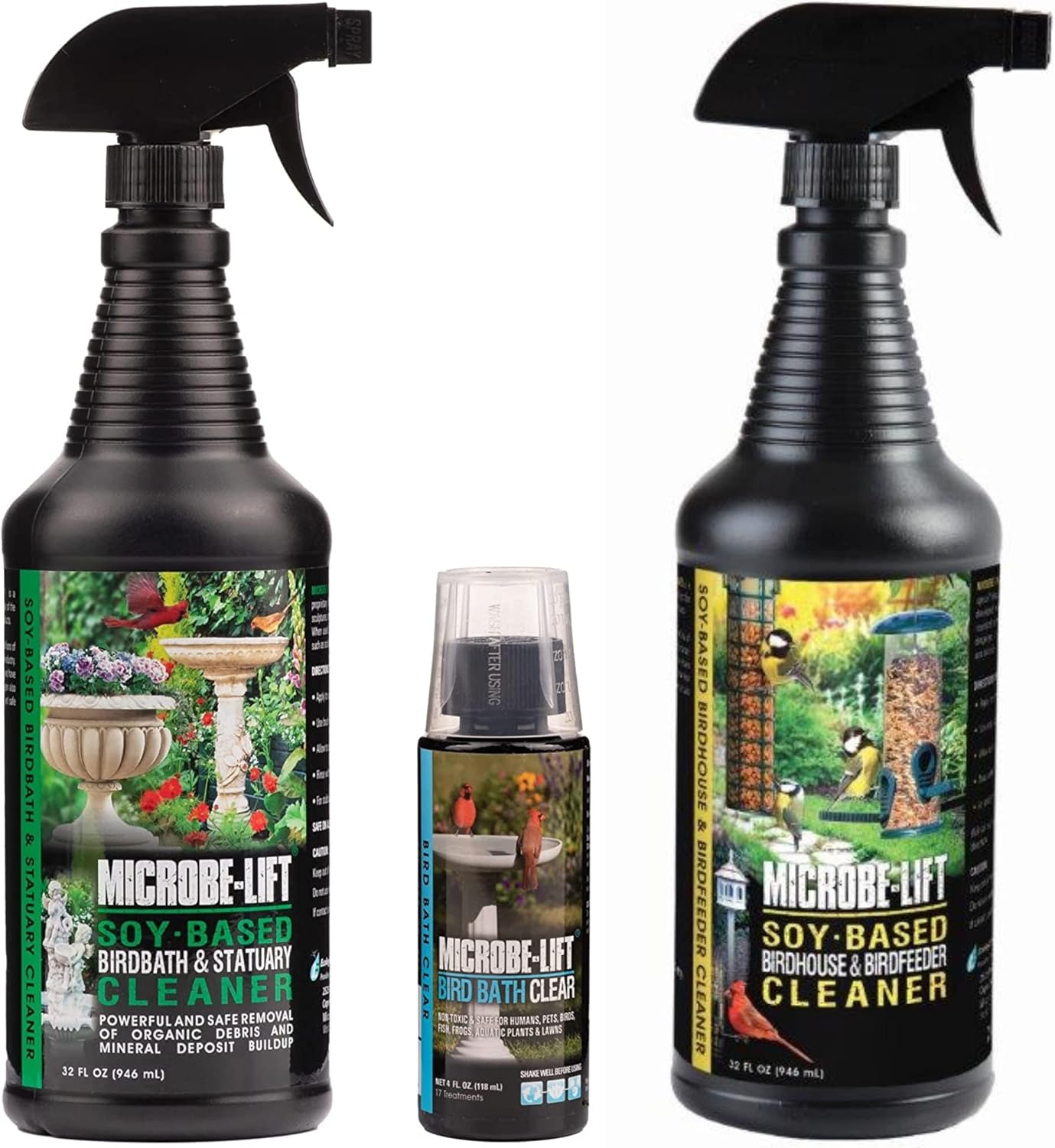
This MICROBE-LIFT bundle combines a bird bath water and surface treatment with a soy-based cleaner for birdhouses and bird feeders. The cleaner is designed for routine removal of organic debris and buildup from outdoor bird-care equipment, while the Bird Bath Clear treatment helps maintain birdbath water and surfaces. It provides one maintenance set for feeders, houses, birdbaths, and small outdoor birding areas.
Check on AmazonIf you click this link and buy, we earn a commission at no additional cost to you.
FAQs
🐦 Which birds prefer to eat on the ground?
Dark-eyed Juncos, Mourning Doves, Eastern Towhees, and native sparrows are the most common ground-feeding birds. They naturally forage on the forest floor and are often hesitant to use elevated hanging feeders.
🌧️ How do I keep ground seed dry when it rains?
You cannot completely stop rain from hitting a low tray, which is why a micro-mesh bottom is essential. The mesh allows water to pass through instantly so the seed can air-dry, rather than sitting in a puddle and rotting.
🐀 Will a ground feeder attract mice and rats?
It will attract rodents if you leave seed out overnight. The most effective way to prevent pests is to only offer the exact amount of food the birds can finish before sunset.
🌱 Does spilled bird seed ruin lawn grass?
Yes, especially sunflower seed hulls, which contain natural toxins that stunt plant growth. To save your grass, move the tray a few feet every week and regularly sweep up any accumulated shells.
🧼 How often should I clean a ground-level tray?
You should brush out old hulls daily and wash the tray with a mild bleach solution once a week. Because it sits close to the dirt, it requires more frequent sanitation than hanging models.