Wood Bird Feeders: Beautiful but Vulnerable
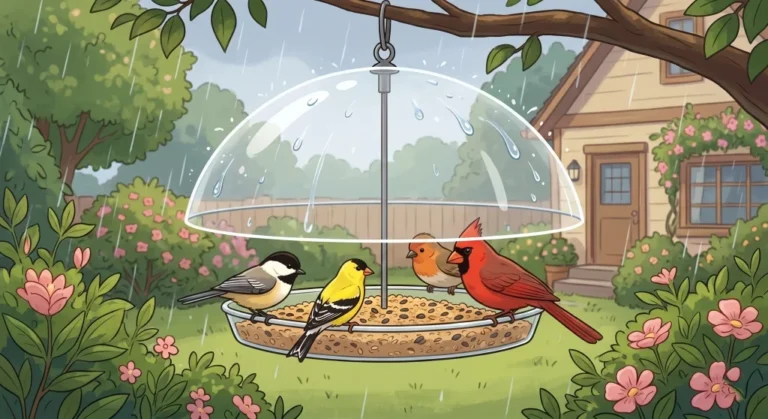
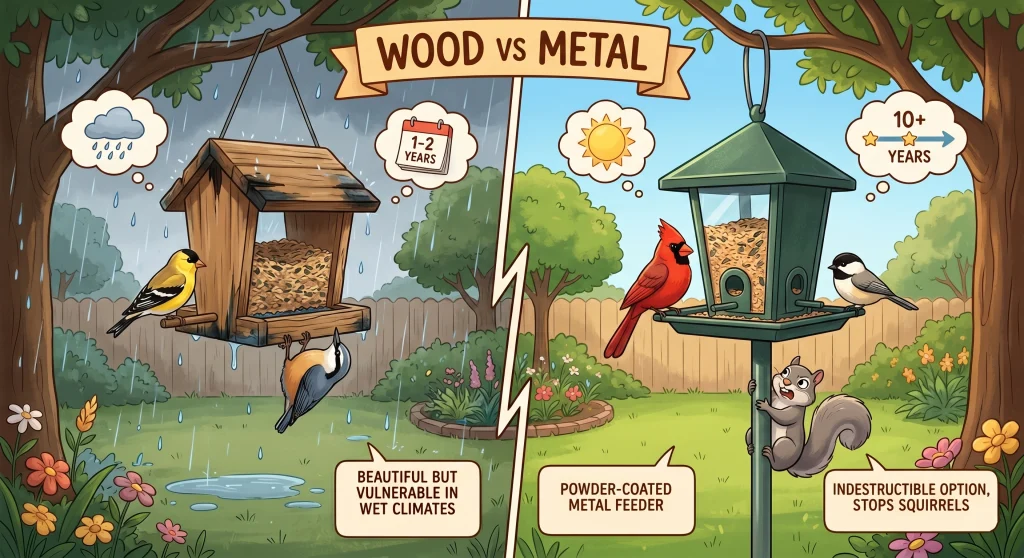
There is a reason so many people gravitate toward wooden designs when they start out. A natural cedar or pine setup blends perfectly into a garden, looking like it actually belongs outdoors. Birds certainly do not mind the material, and the rough surface gives clinging species an excellent place to grip while they wait their turn. However, wood bird feeder durability is highly dependent on where you live.
The most common mistake I see beginners make is assuming birds prefer natural wood over other materials. In my experience, birds simply care about the accessibility of the food and the stability of the perch. The material choice is purely a decision for the human maintaining the yard. When wood gets wet repeatedly, it acts like a sponge. The joints swell, the screws loosen over time, and the seed trapped in the damp corners begins to harbor mold.
Field Note: Back at the store, customers would frequently bring in their wooden feeders after just one or two seasons. In wet climates, the bottoms would be soft and rotting, and the wood would be split down the sides. They almost always thought they had purchased a defective product, but it was just the reality of untreated wood sitting in constant rain.
If you live in a dry environment like the Southwest, a wood feeder can last for several years with minimal issues. If you live in the Pacific Northwest or anywhere with heavy seasonal rain, you should expect a much shorter lifespan. You can extend that lifespan slightly by placing the feeder under a deep porch overhang, but exposure to the elements will eventually take its toll.
Recycled Plastic: The Upgrade You Probably Need
When people compare a wood bird feeder vs plastic, they often picture cheap, flimsy acrylic that cracks after one cold snap. That is not the type of plastic I am talking about. High-density recycled plastic has entirely changed how we build outdoor feeding stations. This material is made from melted down milk jugs and heavy-duty plastics, resulting in thick, heavy boards that mimic the structural feel of lumber.
The biggest advantage here is that recycled plastic will not crack, fade, or rot. It is completely non-porous. Water sits on the surface instead of soaking in, meaning your seed stays drier and the structural integrity of the feeder never degrades. From what I have seen, people who make the switch to this material rarely go back to traditional wood.
Buying a new pine feeder every two years because the old one fell apart from moisture damage.
Investing once in a recycled plastic model that survives snow, rain, and summer heat without warping.
If you are looking at different hopper bird feeder options, you will notice that the recycled plastic models often cost more upfront. That initial price tag can be a hurdle. However, when you factor in that a recycled plastic hopper will easily last five or more years in the same weather that destroys wood in two years, the math heavily favors the plastic.

A two-sided hopper feeder made from recycled poly lumber - resistant to cracking, splitting, and fading. Holds 7 quarts of black oil sunflower or mixed seed. Features a hinged roof for easy filling and removable screens for easy cleaning. Built with aluminum hinges and stainless steel screws. Attracts titmice, woodpeckers, goldfinches, cardinals, jays, nuthatches, and more. Measures 16.25 x 16 x 12 inches. Made in the USA.
Check on AmazonIf you click this link and buy, we earn a commission at no additional cost to you.
Metal Bird Feeders: The Indestructible Option
If you have a serious squirrel problem, your material choices narrow down very quickly. A metal bird feeder is the only thing that stands up to a determined squirrel with sharp teeth. Squirrels will happily chew through the roof of a cedar hopper to get to the sunflower seeds inside. They will even gnaw on the edges of recycled plastic if they are desperate enough. Metal stops them completely.
Most metal feeders are made from powder-coated steel or aluminum. The powder coating protects the metal from rusting, while the solid construction means it can take a beating. If a heavy branch falls on it, or if it drops to the ground during a windstorm, it might get a dent, but it will almost never shatter. This makes it the longest-lasting option available.
The trade-off is often aesthetic. Metal designs tend to look a bit more industrial or utilitarian compared to the rustic charm of wood. They can also get quite warm to the touch in direct summer sun, though this rarely deters the birds from feeding. If your primary goal is to buy one item and never worry about replacing it, metal is the best material bird feeder for your yard.
Warning: Always check the powder coating on metal feeders after a few years of use. If the coating chips or scratches deep enough to expose the raw steel underneath, rust can begin to form. A quick touch-up with outdoor-safe metal paint will prevent the rust from spreading.
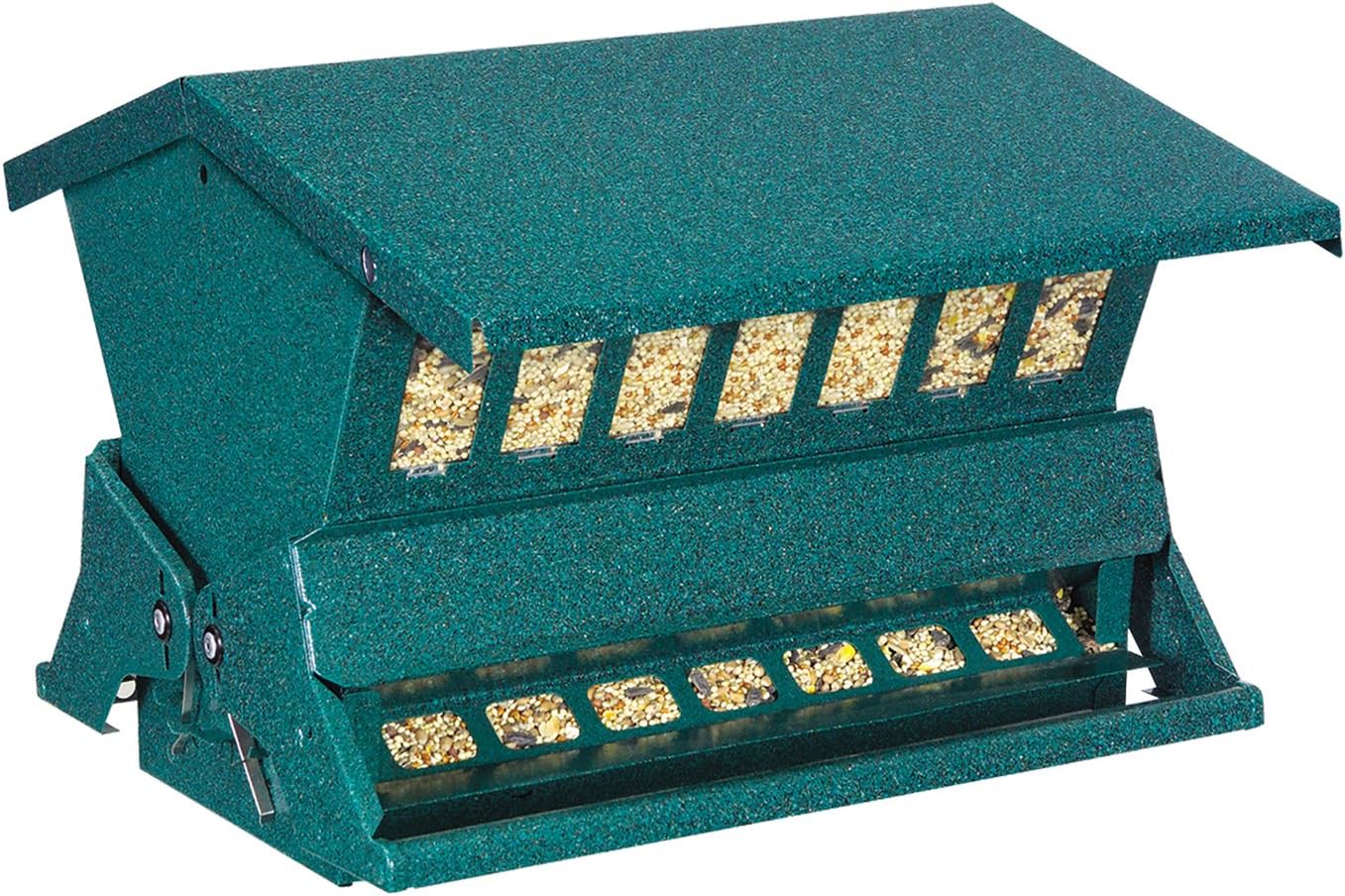
A large-capacity, all-metal squirrel-proof feeder holding up to 12 lbs of seed. Features spring-activated perches adjustable to three weight settings - when a squirrel or unwanted bird steps on, a metal shield instantly blocks seed access. A locking top prevents squirrels from entering from above. Built from chew-resistant powder-coated steel with a no-waste seed saver baffle and a seed level indicator window. The overhanging roof keeps seed dry in all weather. Can be hung or pole-mounted - all hardware included.
Check on AmazonIf you click this link and buy, we earn a commission at no additional cost to you.
Material and Lifespan Comparison
To help make this decision clearer, I have broken down the realistic expectations for each material type. Keep in mind that these lifespan estimates represent a typical range in average conditions. Your local sun exposure and maintenance habits will play a role, but moisture is the primary factor.
| Feeder Material | Lifespan (Wet Climate) | Lifespan (Dry Climate) | Initial Investment |
|---|---|---|---|
| Natural Wood (Cedar/Pine) | 1 to 2 years (rots quickly) | 3 to 5+ years | Lowest |
| Recycled Plastic (HDPE) | 5+ years (impervious) | 5+ years | Highest upfront |
| Powder-Coated Metal | 5 to 10+ years | 5 to 10+ years | Medium to High |
Looking at the numbers, you can see why I point so many people toward recycled plastic or metal. The upfront savings of a wooden model are quickly erased when you have to buy a replacement two rainy seasons later. Understanding the different bird feeder types is only half the battle. Picking the right material for your local weather is what ensures it actually survives.
Matching Your Feeder to Your Climate
A bird feeder material needs to match the environment it will live in. What works perfectly in a dry desert yard might fall apart completely in a humid coastal town. I have watched countless people buy the wrong material simply because they liked how it looked on the shelf, completely ignoring what happens to it when it sits in a foot of snow.
Here is a practical breakdown of how to pair your climate with the right material:
- Wet, rainy climates: Recycled plastic is the clear winner here. It will never absorb the constant moisture and will not rot out from underneath the seed.
- Hot, dry, high-sun climates: Metal or UV-stabilized recycled plastic. Wood dries out and cracks terribly in constant intense heat.
- Areas with heavy squirrel populations: Metal is your only true defense. Anything else will eventually show chew marks.
- Covered porches or patios: Natural wood is perfectly fine here, as the roof protects it from the worst of the rain and snow.
If you take an honest look at your backyard conditions before you buy, you will save yourself a lot of frustration. The goal is to spend your time watching the birds, not repairing the equipment that feeds them.
The Hidden Reality of Cleaning
Nobody likes cleaning bird feeders, but it is a necessary part of the hobby to keep the birds healthy. The material you choose dictates exactly how much downtime your feeding station will have on cleaning day.
The real difference is the turnaround time. Wood absorbs moisture and bacteria deep into the grain. You have to scrub hard, and more importantly, it takes hours of sitting in the sun to completely air-dry before you can refill it. If you put fresh seed into a damp wooden feeder, mold will grow almost immediately. Metal and recycled plastic eliminate this waiting period. They wipe clean in seconds with a brush and can be towel-dried instantly, letting you get the feeder back up in the yard without the frustrating delay.

A premium cedar hopper feeder with crack-resistant acrylic windows and rust-free hardware. The removable seed tray features a seed diverter and drainage holes to reduce waste and keep seed fresh. Wide opening for spill-free filling and extra perching space for both large and small birds.
Check on AmazonIf you click this link and buy, we earn a commission at no additional cost to you.
Final Thoughts: Which Should You Buy?
Choosing between wood, metal, and recycled plastic comes down to acknowledging the reality of your yard. To save you time and money, here is exactly what I recommend based on the most common situations I see:
- If you live in a wet climate: Buy a recycled plastic feeder. The higher upfront cost pays for itself when you aren’t replacing a rotted wooden hopper two years from now.
- If you have a persistent squirrel problem: Buy a powder-coated metal feeder. It is the only material that will survive sharp teeth over the long haul.
- If you have a strict budget or a covered porch: Buy a natural wood feeder. Just keep it out of direct rain and expect to do a little more scrubbing on cleaning day.
My advice is always to buy for longevity. Pick the material that handles your local weather naturally, make the investment once, and let the birds enjoy a reliable, safe place to eat.
FAQs
🌧️ Do wood bird feeders need to be sealed?
You can treat the outside of a wood feeder with a non-toxic water sealant to extend its life, but you should never treat the inside surfaces where the seed sits. Any chemicals that contact the bird food can be harmful, so the interior must remain untreated.
🐿️ Can squirrels chew through recycled plastic?
Yes, squirrels can chew on recycled plastic if they are determined, but it is much harder for them compared to soft woods like pine or cedar. While it will not rot, it is not completely squirrel-proof like a metal feeder is.
☀️ Do metal bird feeders get too hot in the summer?
Metal feeders can get warm to the touch in direct summer sun, but this rarely stops birds from feeding. If you live in an extreme heat climate, placing the metal feeder in a shaded area of the yard is a smart precaution.
🧼 Which bird feeder material is easiest to clean?
Recycled plastic and powder-coated metal are the easiest to clean because they are non-porous. A quick scrub easily removes debris, whereas wood absorbs moisture and bacteria into its grain, making it much harder to sanitize.
❄️ Will plastic feeders crack in freezing weather?
Cheap, thin acrylic plastics can become brittle and crack in freezing temperatures. However, high-density recycled plastic (HDPE) is incredibly resilient and will easily survive sub-zero winters without cracking or warping.