
Plants Growing Out of Your Feeder Isn’t Normal
You walk out after a stretch of rain and find green shoots pushing through the tray or sprouting in the debris below it. If you are trying to figure out how to stop bird seed from sprouting, the basic cause is straightforward: viable seed stayed moist long enough for germination to begin. The feeder may be trapping water, the seed may be sitting too long, or both things may be happening at once.
I used to see versions of this problem at the store, especially with tray-style feeders that held damp seed and debris after wet weather. People often assumed the feeder had somehow failed, but the more useful question was how long the seed had been sitting wet and whether water could drain away. A sprouting feeder is not automatically a sign of bad seed. It is first a sign that usable or discarded seed remained viable and had enough moisture to start growing.
Keeping the seed dry is therefore the first job. Cornell notes that tray feeders without good rain protection can let seed get wet, sprout, mold, or spoil, and specifically recommends screened bottoms for better drainage and putting out only enough seed for a short period. You cannot control every rainstorm, but you can control drainage, fill level, and how quickly wet seed is removed. Those three things matter more than trying to assign the problem to one ingredient alone.
Sprouting Seed Can Also Reveal What Birds Are Leaving Behind
Sprouting is not a reliable quality grade by itself, because any intact viable seed can germinate under suitable conditions. Where cheap blends can make the problem more noticeable is in what birds leave uneaten. University of Florida extension guidance notes that low-priced mixes frequently contain milo, wheat, and oats, while many common feeder birds prefer other foods and discard those grains. Seed that gets tossed aside or sits untouched has more time to collect moisture and germinate.
That distinction matters. Black oil sunflower, safflower, millet, and other whole viable seeds can also sprout if they remain wet and intact. The reason a milo-heavy or wheat-heavy blend may produce more visible growth is not that premium seeds are incapable of germination, but that low-preference ingredients can accumulate in the tray or on the ground instead of being eaten quickly. Moisture plus time is the real engine of the problem.
Field Note: One pattern I saw at the store was a sprouting complaint that turned out to be an accumulation problem. The customer was using a mixed blend, and the birds were sorting through it for the ingredients they preferred while leaving a noticeable layer of other grain behind. Once that leftover seed stayed damp after rain, the tray became a much better seed bed than anyone intended.
If sprouts appear repeatedly, read them as two practical signals. First, the feeder or ground below it is staying wet long enough for germination. Second, some of the seed is not being eaten fast enough. Fixing either side helps, but fixing both is what stops the cycle from repeating.

This 10-pound no-mess wild bird seed blend is made with 100% edible ingredients to reduce hulls, waste, and cleanup beneath feeders. The mix includes sunflower hearts, peanuts, tree nuts, pumpkin seeds, raisins, and papaya to attract cardinals, chickadees, finches, grosbeaks, woodpeckers, and other backyard birds. It works with tube, hopper, tray, platform, and other common outdoor feeders and is a practical choice for cleaner feeding areas.
Check on AmazonIf you click this link and buy, we earn a commission at no additional cost to you.
The Hulled Seed Solution
If unwanted plants are the part of the problem that bothers you most, processed no-mess foods are one of the easiest ways to reduce the amount of intact viable seed reaching the tray and ground. Commercial sunflower hearts, chips, shelled peanuts, and other broken or processed ingredients are less likely to establish seedlings than intact whole seed. That makes them especially useful on patios, balconies, landscaped beds, or any spot where you do not want volunteer plants appearing below the feeder.
The reason needs a little nuance. Removing the hull from sunflower exposes the kernel, but the kernel still contains the living tissue of the seed if it remains intact. Dehulling alone is therefore not a universal biological guarantee that germination is impossible. In commercial bird food, however, hulled kernels are often split, chipped, mechanically damaged, or otherwise processed, which makes a no-mess blend a much more practical low-sprout choice than a feeder full of intact viable grain.
Switching to a no-mess bird seed blend also changes the moisture trade-off. Without an intact outer covering, exposed kernels can deteriorate faster after getting wet. Cornell’s feeder guidance is consistent on the larger point: wet seed should not sit in a feeder, because it can spoil or mold. So a shell-free blend can reduce weeds, but it does not give you permission to ignore drainage or leave soaked food in place.
The Heat-Treated Seed Alternative
Heat treatment is another way seed viability can be reduced, but I would not assume every bag labeled “sterilized” has the same treatment or moisture performance. Nyjer is the clearest backyard-feeding example. University extension sources note that commercial Nyjer imported into the United States is heat-treated specifically to prevent the seed and contaminating weed seeds from germinating. If sprouting is your main concern, a product that explicitly states it has been heat-treated or processed to prevent germination gives you a firmer basis than guessing from appearance alone.
Heat treatment does not make wet seed immune to spoilage. An intact shell may offer some physical protection, but once any bird food stays damp in a dirty feeder, mold and deterioration are still concerns. Choose processed seed to reduce germination, then manage moisture separately.
| Seed Type | Sprout Risk | Moisture Consideration | Best Use Case |
|---|---|---|---|
| Standard Mixed Seed with Whole Grains | Can sprout if viable seed remains wet | Uneaten seed can accumulate and stay damp | Feeders with good turnover and drainage |
| In-Shell Black Oil Sunflower | Can sprout if intact and viable | Discard if it becomes wet, moldy, or spoiled | Everyday feeding where seed moves quickly |
| Heat-Treated Nyjer | Very low by design | Still needs to be kept dry and changed if spoiled | Finch feeding where unwanted germination is a concern |
| Hulled or Chipped Seed | Generally lower than intact whole seed | Exposed kernels can spoil quickly when wet | No-mess setups and places where volunteer plants are unwanted |
The practical choice is therefore not simply “shell equals sprouts, no shell equals no sprouts.” Whole viable seed needs stricter control of moisture and turnover. Processed, broken, or heat-treated ingredients reduce germination pressure, but they still need a feeder that drains and a routine that removes wet food promptly.

Shell-free whole sunflower hearts with no mess, no waste, and no cleanup. High in fat, protein, Vitamin E, Iron, Magnesium, and Vitamin B - free from harmful chemicals or additives. Attracts the same wide variety of birds as traditional sunflower seeds. A year-round favorite across North America.
Check on AmazonIf you click this link and buy, we earn a commission at no additional cost to you.
Short-Term Fixes for Your Current Setup
Maybe you already have a large bag of seed and do not want to replace it immediately. If bird seed is germinating in the feeder right now, focus on shortening the amount of time it can remain wet. Cornell recommends offering only enough seed for a couple of days in tray feeders, while Penn State goes even smaller for exposed platform feeders by recommending only what birds can consume quickly. The exact fill level depends on your traffic and weather, so use turnover rather than a rigid fraction of the feeder.
The common mistake is packing a feeder full during a wet spell and assuming the roof or lid will keep every seed dry. Instead, try these immediate adjustments:
- Fill for quick turnover: Put out only the amount your birds normally finish within a short period. During wet weather, smaller refills are safer than leaving a deep reserve exposed for days.
- Improve drainage: Screened tray bottoms and open drainage ports help water leave instead of pooling around seed. Clear clogged ports regularly, and modify a feeder only if the design and manufacturer instructions make that safe.
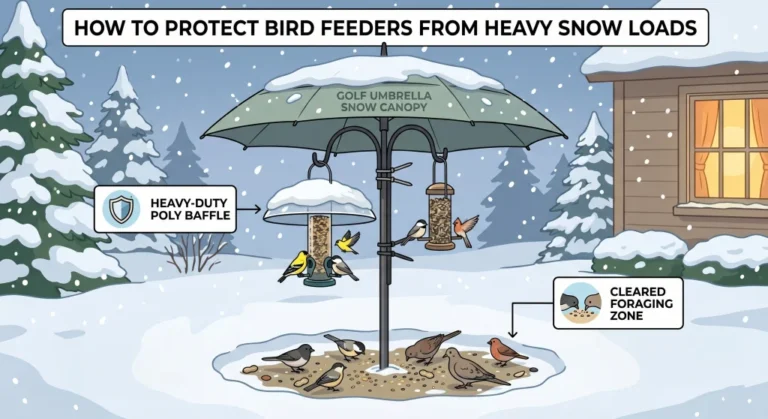
- Use a weather dome, with limits: A dome can reduce direct rainfall, but wind-driven rain and humid air can still wet the seed. Treat it as protection, not waterproofing.
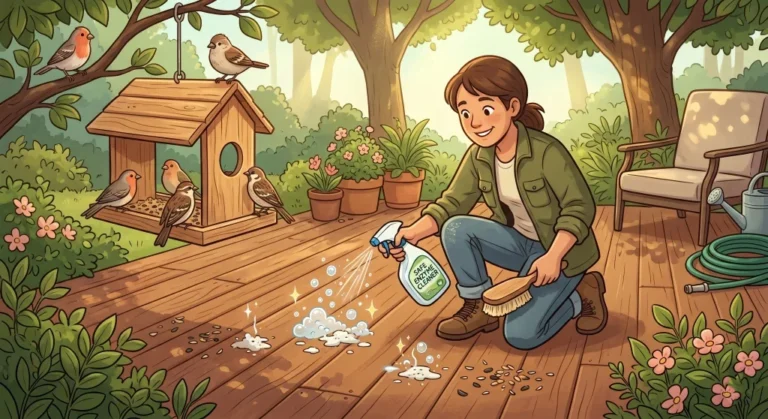
- Remove wet residue promptly: Once seed swells, clumps, sprouts, or begins to break down, empty the tray and clean away the damp material instead of layering fresh seed on top.
These steps solve more than the cosmetic problem of green shoots. Cornell notes that wet seed can sprout, mold, or spoil, and Penn State recommends removing mold and residue rather than letting it accumulate. If wet seed is clumping before it sprouts, the broader troubleshooting in bird feeder seed problems will help you separate drainage, freshness, and weather issues. The same basic bird feeder tips apply here: keep food moving, keep water moving out, and clean before damp debris turns into a larger problem.

Clear plastic dome hangs above any small feeder to shield seeds and nectar from rain and snow. Rust-proof with hooks on both top and bottom, no installation needed. Keeps seed dry and rot-free year-round.
Check on AmazonIf you click this link and buy, we earn a commission at no additional cost to you.
FAQs
🌱 Is it safe for birds to eat sprouted bird seed?
A sprout is not automatically poisonous, but seed that has been sitting wet in a feeder deserves caution because the same damp conditions also encourage mold and spoilage. I remove the wet or sprouting batch, clean the feeder, let it dry, and refill with fresh seed rather than asking birds to sort through questionable food. If you see visible mold or smell anything musty, discard the seed.
🗑️ Can I microwave bird seed to stop it from sprouting?
I would not use a microwave or home oven as a routine way to sterilize feeder seed. Heating can be uneven, can scorch oily seed, and gives you no simple way to confirm that every viable seed was treated without damaging the food. If preventing germination matters, buy a commercially processed, heat-treated, cracked, or no-mess option instead.
🌧️ Why does seed sprout under the feeder so fast?
The ground provides moisture and a place for intact viable seed to settle, so spilled or discarded seed can germinate once conditions are favorable. Cheap blends can make the problem more obvious when birds leave low-preference grains such as milo, wheat, or oats behind, but premium whole seed can sprout too. Reducing spill, improving turnover, and cleaning beneath the feeder all help.
🌻 What bird seed will not sprout in my yard?
Heat-treated Nyjer is specifically processed to prevent germination, and cracked or heavily processed no-mess ingredients are much less likely to establish plants than intact whole seed. Hulled sunflower usually reduces the problem substantially, but removing the hull alone is not a universal guarantee if an intact viable kernel remains. If a product makes a “no grow” or “no sprout” claim, check how the manufacturer says the seed was processed.