Why No Tree Doesn’t Mean No Birds
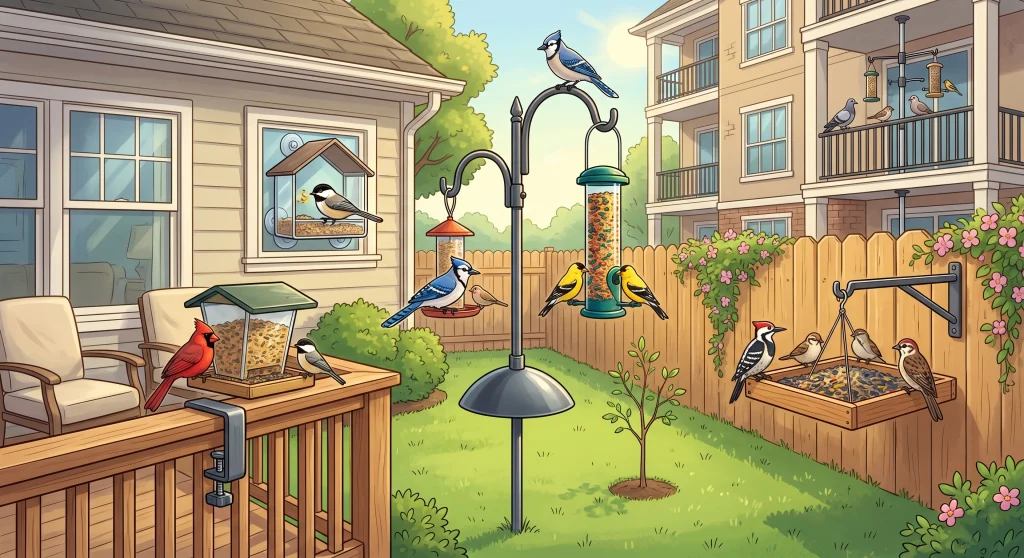
I used to hear from people at the store who assumed a bare yard or a new subdivision meant they had to wait for the landscaping to mature before feeding birds. In practice, learning how to hang a bird feeder without a tree is mostly a mounting problem, not a bird problem. Poles, railing clamps, window-mounted feeders, and other supports let you put food where you can see it and maintain it easily. A tree branch is only one way to suspend a feeder.
A freestanding setup can actually give you more control over placement. You can position the feeder where it is convenient to refill, where nearby shrubs provide some escape cover, and where the relationship to windows is safer. Cornell recommends paying attention to both cover and collision risk rather than simply choosing the prettiest open spot. The mount itself matters less than whether the finished setup is stable, accessible, and placed where birds can use it without unnecessary risk.
Field Note: A recurring conversation at the store started with some version of, “My yard is too bare for birds.” A simple pole near existing landscaping was often enough to give those customers a workable starting point. What mattered was not waiting for a mature tree, but giving the feeder a stable location and then keeping that location supplied consistently.
5 Solutions for a Bird Feeder No Tree Situation
Once branches are out of the equation, look at the surfaces and structure you already have. Soil gives you the option of a freestanding hook or pole. A deck or balcony may support a clamp mount, while a suitable window can support a lightweight window feeder. The right choice depends more on the mounting surface, feeder weight, weather exposure, and property rules than on any single “best” solution.
Here is the quick comparison I would use before buying hardware. Instead of relying on generic weight numbers, check the actual load rating and compatibility listed for the specific mount you are considering. A feeder that is light when empty can become much heavier after you add seed, a baffle, and any other accessories.
| Mounting Solution | Best Outdoor Space | What to Check |
|---|---|---|
| Shepherd’s Hook | Lawns and garden beds | Rated load, pole stiffness, and base stability in your soil. |
| Deck Railing Mount | Wooden, metal, or composite railings | Clamp opening, railing compatibility, and rated load. |
| Wall Bracket | Solid posts, fences, or approved exterior surfaces | Fastener requirements, wall material, clearance, and rated load. |
| Suction Cup Window Feeder | Windows, apartments, and small spaces | Feeder weight, suction-cup condition, glass condition, and manufacturer instructions. |
| Balcony Tension Pole | Covered patios and balconies | Floor-to-ceiling fit, rated load, wind exposure, and building rules. |
The Shepherd’s Hook (For Small Yards)
If you have a bird feeder small yard no tree situation, a shepherd’s hook is one of the simplest places to start. The spiked base goes directly into soil, so you can create a hanging point without concrete work or a permanent post. It is also easy to move if you discover that the first location is too exposed, awkward to view, or inconvenient to refill. That flexibility is useful in a small yard where a few feet can make a noticeable difference.
The weak point is usually stability, especially in soft or waterlogged soil. Push the base fully into firm ground and make sure the pole stays upright after the feeder is filled. A wider or multi-prong base can resist twisting better than a narrow single-point design, but the manufacturer’s load rating still matters. I would rather buy a hook with a clearly stated rating and a solid base than choose one because the packaging calls it “heavy duty.”

A heavy-duty steel shepherd hook pole with a 7-prong base for superior stability. Made from 3/4-inch, 2mm-thick steel with a rust-resistant black powder coating. Adjustable to three heights - 52, 68, or 84 inches - and holds up to 16 lbs. Includes 1 hook, 1 fork, and 3 extender poles. Easy to assemble, disassemble, and store. Suitable for bird feeders, planters, lanterns, and other hanging decorations.
Check on AmazonIf you click this link and buy, we earn a commission at no additional cost to you.
Deck Railing Mounts (For Patios)
A bird feeder deck railing mount works well when the railing gives you a secure clamping surface. These mounts can place the feeder just beyond the deck edge, which keeps refilling convenient and makes the birds easy to watch from indoors. They are especially useful when you cannot dig into the ground or do not want a freestanding pole taking up floor space. For renters, a clamp can also be easier to remove than a permanently screwed bracket.
Measure before you buy. Check the railing’s width and shape against the clamp range, and make sure the mount is approved for that type of railing. Painted wood, composite material, thin metal, and decorative rails do not all tolerate clamping pressure the same way. If the manufacturer allows a protective pad between the clamp and railing, it can help reduce scuffing, but do not add improvised material that prevents the clamp from tightening securely.

A rust-proof, weatherproof metal deck hook with a 360-degree swivel wing-nut design for easy angle adjustment. Mounts on porch railings, balconies, and deck rails to hang bird feeders, planters, lanterns, or wind chimes away from the deck surface. No tools required - all hardware included.
Check on AmazonIf you click this link and buy, we earn a commission at no additional cost to you.
Wall-Mounted Brackets (For Fences)
Wall brackets are useful when you have a genuinely solid vertical surface such as a structural post, sturdy wooden fence, or other surface approved for the fasteners involved. They can hold a feeder away from the wall without occupying ground space. Unlike a clamp mount, though, a bracket transfers the load into the structure, so the mounting surface and fasteners matter just as much as the bracket itself. I would not treat siding, trim, or an unknown exterior surface as interchangeable with solid wood.
Renters should be especially cautious here. A bracket that requires screws or anchors is not damage-free just because the hardware is small, so get permission before drilling into a rented exterior. For any wall-mounted setup, choose enough extension that the feeder can hang and move without repeatedly striking the wall, then stay within the bracket manufacturer’s stated load and installation requirements. That is much more reliable than using a generic extension distance for every feeder shape.
Window Feeders (For Apartments)
When outdoor floor space is almost nonexistent, a window feeder can be the cleanest solution. A suction-mounted feeder keeps the footprint small and puts the birds extremely close to your viewing spot. It also has one important safety advantage when installed directly on the glass: feeders within about three feet of a window are generally safer than feeders placed in the intermediate zone, because a startled bird has less distance to build speed before a collision. That does not make untreated glass harmless, so any window with a history of strikes still deserves proper exterior collision treatment.
Suction performance depends on the feeder, cups, glass, temperature, and installation instructions, so I do not use a universal trick such as adding cooking oil to the cups. Clean the glass and suction surfaces as directed by the manufacturer, inspect the cups for cracking or hardening, and do not exceed the feeder’s stated capacity. On an exposed apartment window, also think about what happens if the feeder comes loose in severe weather. A lightweight setup that you can inspect and remove when necessary is a better choice than assuming any suction mount is permanent.
Pro Tips: If this is the only mounting option your space allows, my breakdown of a window bird feeder goes deeper into setup, cleaning, and the trade-offs of feeding directly against glass.

A large window bird feeder made from 1/4-inch premium cast acrylic for exceptional durability. Holds over 4 cups of seed and attaches securely to any window via 3 ultra-strong suction cups, with 3 extras included. Features a slide-out tray for quick, mess-free cleaning and refilling. Backed by a lifetime guarantee.
Check on AmazonIf you click this link and buy, we earn a commission at no additional cost to you.
Balcony Tension Poles (For Renters)
A balcony tension pole can work well when you have a solid floor and a flat overhead surface designed to take the compression of the pole. The main advantage is that you can create one or more hanging points without drilling into the building. The arms can usually be repositioned as your setup changes, which is useful in a narrow balcony where every inch matters. This is one of the better no-tree options when a railing clamp is not suitable.
The limitations matter just as much as the convenience. Check the permitted floor-to-ceiling range, the manufacturer’s load rating, and whether the pole is intended for outdoor use. Wind can make a hanging feeder swing even when the pole itself feels tight, so do not place a feeder where it could strike glass, a railing, or fall into a public area below. Apartment and condominium rules also vary, so confirm that exterior feeders and tension-mounted equipment are allowed before setting one up.
The Renter-Friendly Rule: Hanging Without Damage
One of the most frequent challenges I helped customers think through was how to feed birds without drilling into a property they did not own. The safest renter approach is not simply “anything removable.” It is a setup that can be removed without altering the railing, wall, window, or balcony structure and that also complies with the lease or building rules. A removable mount is still a bad choice if it scratches a finished rail or creates a falling-object risk.
There is a real difference between temporary and flimsy. These three approaches can avoid permanent holes when they are compatible with the space:
- C-Clamp deck mounts: These attach to a compatible railing without screws through the railing itself. Check the clamp range and use only the protective pads or surfaces allowed by the manufacturer.
- Freestanding patio bases: A weighted base can support a compatible pole without digging or attaching anything to the building. The base still needs enough stability for the loaded feeder and local wind conditions.
- Suction cup systems: These avoid drilled holes and can be removed from suitable glass. Inspect the cups regularly and follow the feeder maker’s instructions rather than assuming the attachment will remain secure indefinitely.
Whichever temporary method you choose, placement still matters. Feeders attract birds toward windows, so I would treat window safety as part of the mounting decision rather than something to check afterward. For the broader placement and setup considerations, see my walkthrough of how to set up a bird feeder safely.
Weight Capacity: The Mistake That Breaks Equipment
When you use manufactured hardware instead of a tree branch, the load rating becomes part of the setup. The number that matters is not the feeder’s empty weight. Count the feeder, a full load of seed, attached trays or baffles, and anything else hanging from the same support. A mount that feels sturdy in your hand can still be the wrong match for a large feeder once everything is loaded.
Wind and swinging create forces that are different from a feeder simply hanging motionless, which is another reason not to treat the printed maximum as a target. If you want several feeders on one pole, add the loaded weight of all of them and make sure the base and pole are intended for that arrangement. Watch the setup after rain, strong wind, and the first few refills. Leaning, loosening clamps, bending arms, or movement at the base are signs to reduce the load or change the hardware.
Physical stability is only one part of a safe feeding station. Window distance, nearby cover, cleaning access, and pest pressure still matter after the mount is installed. I cover those broader setup decisions in my overview of bird feeder tips.
Final Thoughts: Controlling Your Setup
A lack of mature trees does not keep you from putting out a useful feeder. In many spaces, a pole, clamp, window mount, or tension pole gives you more control over where the feeder sits and how easily you can maintain it. The trade-off is that you need to pay closer attention to the hardware rating, mounting surface, wind exposure, and window safety instead of assuming a branch will take care of the support.
Start with one mount that genuinely fits your space rather than trying to build a large station all at once. Keep the feeder stable, the food fresh, and the surrounding area safe enough for birds to approach and leave. If the first location is not working, one advantage of a no-tree setup is that many of these mounts can be adjusted or moved without rebuilding the whole feeding station.
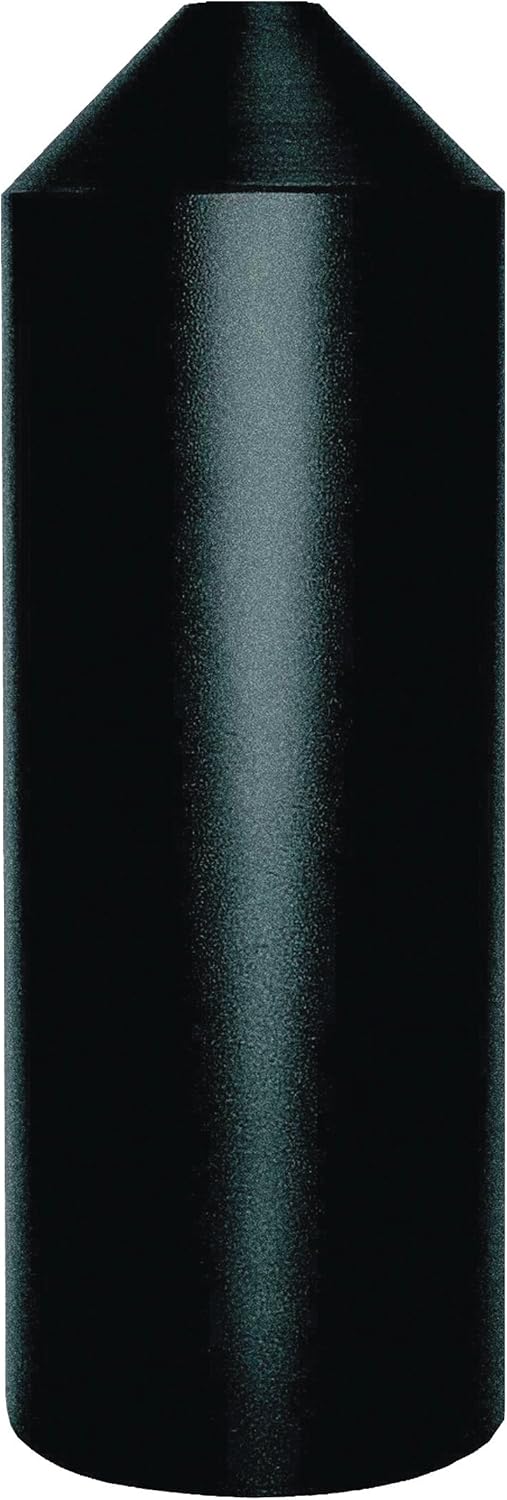
A torpedo-shaped steel squirrel baffle with a textured powder-coated finish. Measures 6.125 inches in diameter and slides onto any pole ranging from 1/2 to 1-3/8 inches in diameter via an included coupler. Easy to install - simply remove the zip tie and secure the coupler around the pole. Pole not included.
Check on AmazonIf you click this link and buy, we earn a commission at no additional cost to you.
FAQs
🏢 Can I hang a bird feeder if I live on a high floor?
Potentially, yes, but the species you attract and the amount of activity can vary by location and height. A window feeder, approved balcony mount, or tension pole may work if your building allows it. On a high floor, I would also treat wind exposure, falling-object risk, and window-collision prevention as part of the setup rather than relying on the mount alone.
🐿️ How do I keep squirrels off a pole if I don’t have a tree?
A freestanding pole gives you more control over squirrel access than a feeder hanging from a tree. Use a properly fitted pole baffle and, where the yard allows it, keep the station roughly ten feet from fences, roofs, branches, or other launch points. Squirrels vary in what they can reach, so treat distance and a baffle as layers rather than a guarantee.
🌧️ Will a window feeder fall off in the rain?
A properly installed suction feeder can remain secure through ordinary weather, but no suction system should be treated as permanent. Clean and install the cups according to the manufacturer’s instructions, inspect them regularly, and replace cups that become cracked, stiff, or damaged. If the window is highly exposed to severe wind, removing the feeder temporarily may be the safer choice.
🛠️ Do clamp mounts damage deck railings?
They can scratch, dent, or mark some railing materials if the clamp is overtightened or incompatible with the surface. Measure the railing first and use any protective pads specified by the mount manufacturer. If you rent, check the property rules before assuming a clamp mount counts as damage-free.
🕊️ Do birds prefer tree feeders over pole feeders?
Birds do not need the feeder itself to hang from a tree. What matters more is a safe feeding location with fresh food and access to nearby escape cover. A pole-mounted feeder can work very well when it is placed thoughtfully, while still keeping enough separation from branches or structures that give squirrels or predators easy access.