
The Truth About Cold Weather Bird Feeding
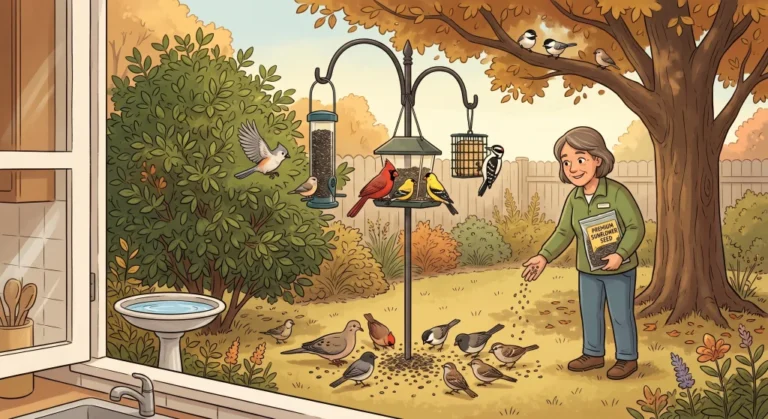
People often ask me what to feed birds in winter, assuming they need an entirely different menu once the weather turns cold. In most yards, they do not. The same dependable foods that work during the rest of the year can still work in winter, with a few additions that make more sense when natural foods are harder to reach.
Cold weather raises the energy demands on small birds, so calorie-dense foods such as sunflower and suet become especially useful. The bird mix can change too. In many parts of the United States, winter brings ground-feeding visitors such as juncos and sparrows into yards where they were less noticeable in summer, although the exact species depends on your region.
Black Oil Sunflower Seed Is Your Baseline
If you only plan to put out one type of seed this winter, I would start with black oil sunflower. Its thin shell is easier for many seed-eating birds to open than the thicker shell on striped sunflower, and the kernel is rich in fat. That combination is why it works as such a reliable baseline at a mixed-species feeder.
What matters here is the shell. Black oil sunflower has a thinner shell than striped sunflower, so a wider range of seed-eating birds can handle it readily. Cardinals, chickadees, finches, nuthatches, and many other common feeder visitors use it, which is why I reach for it first when someone wants one seed that covers a lot of species.
If you are looking for the best sunflower seed options, focus on fresh, clean seed with little dust or debris. Sunflower hearts or chips remove the hulls, so they greatly reduce the pile of shells under the feeder and are easy for birds to eat. The tradeoff is that hulled seed spoils faster when it gets damp, so I use smaller amounts and pay closer attention to keeping the feeder dry.

Wagner's Four Season Sunflower Seed is 100% black oil sunflower seed. Sunflower seed is the favorite seed of most wild birds. It is high in energy and has a thin shell making it easy for all birds to consume. Use tray feeders or hopper feeders to attract sunflower loving songbirds. Cardinals, Chickadees, Finches, Nuthatches, Woodpeckers and much more. Trust your backyard birds to the experts at Wagner’s.
Check on AmazonIf you click this link and buy, we earn a commission at no additional cost to you.
Suet and No-Melt Formulas for High-Energy Fat
Understanding how to attract birds in winter often means matching food to the birds that are still active around your yard. Insects are not simply “gone,” but they can be much less available in cold weather. Suet gives woodpeckers, nuthatches, chickadees, wrens, and other suet-eating species a concentrated food source when natural foraging is harder.
Many commercial suet cakes use rendered fat combined with ingredients such as seeds, peanuts, cornmeal, fruit, or insects. It is a high-energy food, especially useful in cold weather. I like a simple cage feeder placed where I can reach it easily for cleaning and replacement. If you need help choosing a format, my breakdown of suet for birds covers the main options.
Field Note: One pattern I saw at the store was people treating every suet cake as if temperature did not matter. Cool weather is the easiest time to use standard suet, while warmer winter climates may call for a no-melt formulation. “No-melt” does not mean spoil-proof, though, so I still replace any cake that becomes soft, oily, moldy, or rancid.
If severe weather is coming, I check the suet and seed before the temperature drops rather than waiting until ports are iced over or a feeder lid is frozen shut. That is a practical winter habit: access gets harder once snow and ice arrive, and there is no need to depend on birds following a fixed pre-storm feeding schedule.

A no-melt suet dough made with beef suet and roasted peanut pieces, staying solid up to 100F for year-round use in any climate. Fully consumable with no shells or waste, keeping feeders clean. Rich in healthy fats and protein to support daily activity, nesting, and migration. Attracts woodpeckers, nuthatches, chickadees, wrens, and other songbirds. Made in the USA.
Check on AmazonIf you click this link and buy, we earn a commission at no additional cost to you.
White Proso Millet for the Winter Arrivals
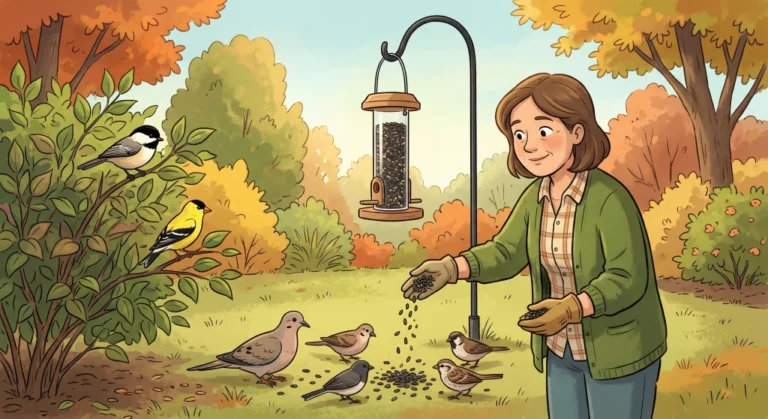
This is one of the easiest winter gaps to miss. In much of the United States, Dark-eyed Juncos, White-throated Sparrows, and other ground-feeding birds become familiar winter visitors, although their seasonal status varies by region. They spend much of their feeding time on or near the ground rather than clinging to a hanging tube feeder.
If your setup is all hanging tube feeders, you may be missing that part of the winter bird community. White proso millet is a small seed favored by many ground-foraging birds, including juncos and native sparrows. I treat it as a targeted addition rather than something every feeder needs.
Warning: If you have an active rat problem, skip direct ground scattering. A low tray feeder can give ground-feeding birds the flat surface they use while making cleanup easier, but the tray itself is not rat-proof. Put out only what birds can finish promptly, clean spills, and bring the tray in at night if rodents are a concern.
Where rodents are not a problem, I use only a small amount of millet on a clean patch of ground or in a low, well-drained tray and avoid leaving a layer of uneaten seed overnight. I also keep the feeding spot visible enough that birds can watch for danger instead of tucking the seed directly against dense cover where a cat could hide.

Top-rated
Check on AmazonIf you click this link and buy, we earn a commission at no additional cost to you.
Skip the Expensive Winter Blends
When the temperature drops, stores often put out bags labeled “winter bird seed” or “cold weather mix.” I do not pay extra for the seasonal label by itself. I turn the bag over and judge the ingredients, because a winter-branded mix can be excellent, mediocre, or mostly low-preference grain just like any other seed blend.
Learning how to attract birds in winter is more about useful ingredients and a clean setup than seasonal packaging. If the first ingredients are milo, wheat, oats, or other grains that many common feeder birds use less readily, expect more sorting and waste. A sunflower-heavy mix is usually a better all-purpose choice when your goal is a broad range of backyard songbirds.
Key point: For a simple winter setup, black oil sunflower covers a broad range of seed eaters, suet adds a high-energy option, and a little white proso millet can bring in ground-feeding species. That is a strong starting point without buying a special seasonal blend.
The Role of Peanuts and Safflower
If you want to expand beyond the basics, peanuts and safflower are two additions I often consider. Safflower can work well for cardinals and other big-billed feeder birds, although many birds still prefer sunflower. Shelled, unsalted peanuts can broaden the menu for jays, woodpeckers, chickadees, and nuthatches. Neither is mandatory, so I choose them for the birds already present in the yard rather than adding them automatically.
How to Check Seed Quality
Before I buy a bulk cold-weather mix, I check the ingredient list and the seed itself whenever the packaging lets me see it. These are the practical signs I look for:
- For a general-purpose winter mix, sunflower should be one of the main ingredients rather than a bag dominated by milo or grain products.
- There should be very little dust or powder coating the inside of the plastic window.
- You should not see small twigs, empty hulls, or debris mixed in with the seed.
- The seeds should look plump and intact, not shriveled or cracked open.
| Food Type | Target Winter Birds |
|---|---|
| Black Oil Sunflower | Northern Cardinals, Chickadees, Finches, Jays |
| Suet Blocks | Woodpeckers, Nuthatches, Wrens |
| White Proso Millet | Dark-eyed Juncos, Sparrows, Mourning Doves |
| Safflower Seed | Northern Cardinals, Mourning Doves |
| Shelled Peanuts | Jays, Woodpeckers, Chickadees, Nuthatches |
Once the food side is covered, I would stop adding seed types just for variety. The next winter resource worth checking is water, especially when shallow natural sources are frozen.
The Magnet Effect of Heated Water
Food gets most of the attention in winter, but open water can be a strong draw when shallow natural sources are frozen. Birds still drink and bathe in cold weather. A heated birdbath is not required for birds to survive winter, but it can keep a dependable patch of water available and bring in species that do not care much about seed.
A heated bath or an outdoor-rated immersion heater can keep water accessible through freezing weather. I keep the water shallow, change it regularly, and follow the heater manufacturer’s safety instructions, including using a ground-fault protected outdoor circuit. Birds that rarely visit seed feeders, including robins in areas where they winter, may still stop for water.

Keeps water ice-free down to -20F with automatic thermostat that turns on and off as needed. Durable enamel finish with rock-like design that can be spray painted to match any bird bath. MET Labs certified, exceeds USA and Canadian electrical safety standards. Backed by a 3-year warranty from a brand with 20 plus years of experience.
Check on AmazonIf you click this link and buy, we earn a commission at no additional cost to you.
Final Thoughts: Storage and Moisture Control
Even good winter food stops being useful when it is wet, frozen into a clump, or starting to mold. Moisture is the problem I watch most closely. Feeders with roofs, drainage, or weather protection help, and I clear snow or ice that blocks the ports. If seed has become wet or spoiled, I replace it instead of waiting for birds to sort it out.
Storage matters just as much as the feeder. I move opened seed into a dry, rodent-resistant container and buy an amount I can use while it is still fresh. A dependable feeder is useful because birds can revisit food sources they have found before, but no setup guarantees a busy yard. Keep the food dry, clean up waste, and stay consistent enough for local birds to use the station when it suits them.

Durable recycled plastic tray feeder with metal mesh bottom for drainage and ventilation to keep seeds fresh. Four-chain suspension keeps it stable without spinning or tipping. Holds seeds, nuts, mealworms, and mixed blends to attract bluebirds, cardinals, woodpeckers, doves, finches, and more. Arrives pre-assembled and ready to hang.
Check on AmazonIf you click this link and buy, we earn a commission at no additional cost to you.
FAQs
❄️ Do birds eat more in the winter?
Cold weather increases the energy birds need to maintain body temperature, so many feeder birds spend more time finding and eating calorie-rich food during cold spells. The amount varies by species, weather, body size, and what natural food is available, so I would not use a single daily percentage as a rule.
🍞 Can I feed birds bread when it gets cold?
I would not use bread as winter feeder food. It is much less nutritious than foods such as sunflower, suet, or other species-appropriate options, and damp bread can also mold quickly. If you are spending money to help feeder birds through cold weather, put it toward fresh seed or suet instead.
💧 Will a birdbath freeze completely solid?
A shallow birdbath can freeze whenever temperatures stay below freezing, although wind, sun, depth, and local conditions affect how fast it happens. You can simply replace frozen water regularly, or use an outdoor-rated heated bath or immersion heater to keep some water open. Follow the manufacturer’s directions and use a ground-fault protected outlet rather than assuming every heater-and-bath combination is automatically safe.